
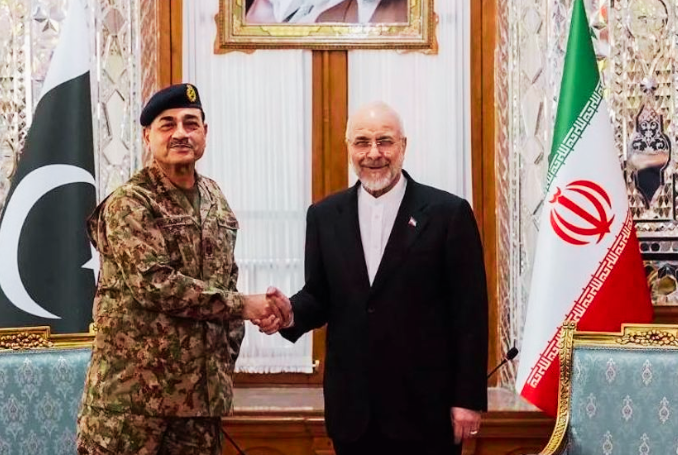
Asim Munir Iran Visit: Pakistan Mediates US–Iran Peace Talks
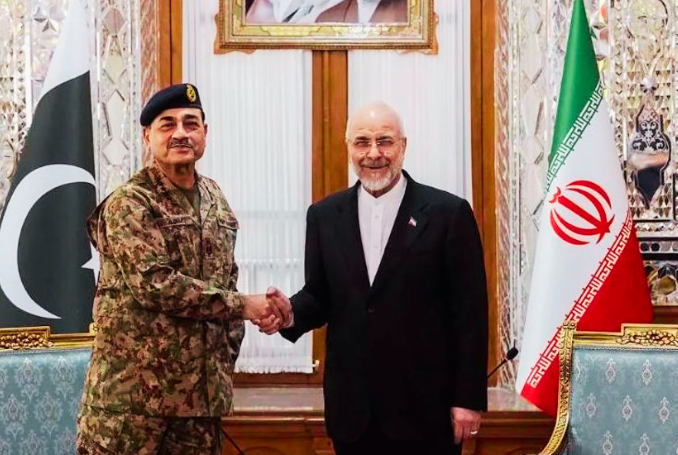
Pakistan has stepped into a high-stakes diplomatic effort as Field Marshal Asim Munir visits Tehran amid stalled US–Iran peace negotiations and rising tensions in the Middle East.
The visit comes at a critical moment. Washington is preparing a major new sanctions campaign against Iran, while Tehran has threatened further action over the Strait of Hormuz and regional energy supplies.
Pakistan is attempting to use its relationships with both Washington and Tehran to create a channel for renewed dialogue. Reuters reported that Munir spoke with US President Donald Trump before travelling to Tehran, with Trump urging Pakistan to use its influence to encourage Iran to return to negotiations.
Asim Munir Arrives in Tehran
Field Marshal Asim Munir arrived in Tehran on Monday, August 24, as part of Pakistan's diplomatic efforts to promote regional peace and stability.
Iranian authorities confirmed the visit, while Pakistani officials have described the broader effort as part of Islamabad's attempt to reduce tensions in the region.
The timing of the visit is particularly significant because negotiations between the United States and Iran remain stalled.
Why Is Asim Munir Visiting Iran?
The main objective is to support diplomatic efforts between the United States and Iran.
Pakistan maintains relations with both countries and has previously played a role in facilitating communication between Washington and Tehran.
According to Reuters, Munir's visit is aimed at encouraging Iran to return to negotiations while reducing the deep mistrust between the two sides.
Pakistan believes its position could allow it to act as a communication channel between the two countries.
Asim Munir and Donald Trump Call
One of the most significant developments surrounding the visit is the reported conversation between Asim Munir and Donald Trump.
Reuters reported that Trump spoke with Munir last week before the Tehran visit.
According to Pakistani sources cited by Reuters, Trump wanted Pakistan to use its influence to encourage Iran to resume negotiations.
The reported conversation has increased international attention on Pakistan's diplomatic role.
The White House had not publicly acknowledged the call at the time of the Reuters report.
Pakistan's Role as a Mediator
Pakistan has strong geographic and historical ties with Iran while also maintaining important relations with the United States.
This puts Islamabad in a potentially useful position.
Pakistan has previously helped facilitate communication between the US and Iran, and the latest diplomatic initiative builds on those contacts.
However, analysts caution that Pakistan's ability to influence the two sides should not be overstated.
The central problem remains the deep distrust between Washington and Tehran.
Why Are US–Iran Peace Talks Stalled?
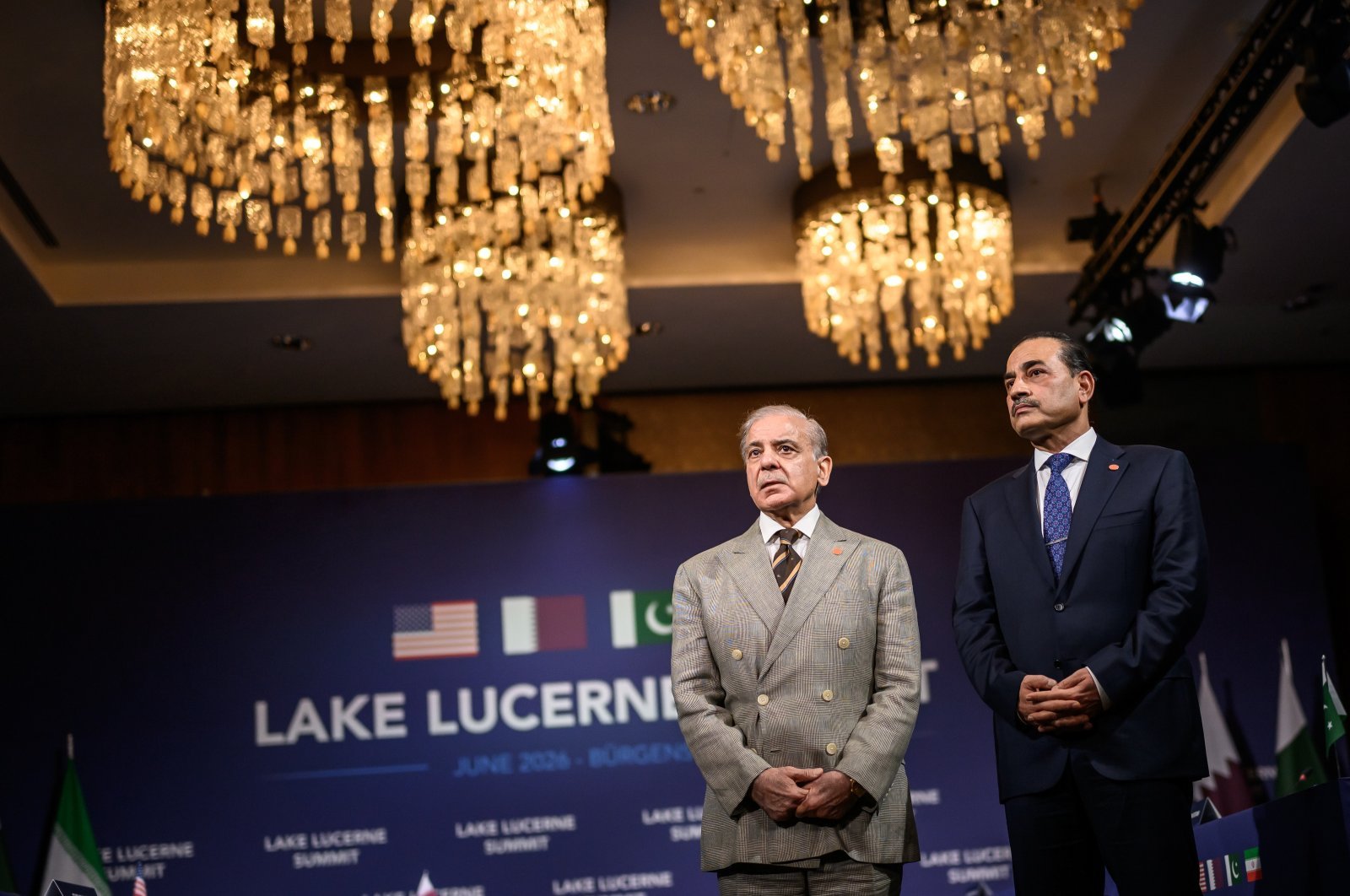
The United States and Iran continue to disagree over several major issues.
These include:
- US economic sanctions
- Iran's nuclear programme
- Regional security
- Military activity
- The Strait of Hormuz
- Iran's relations with regional armed groups
- Future security guarantees
These disagreements make a comprehensive peace agreement extremely difficult.
US Plans New Sanctions Against Iran
The Tehran visit comes as Washington prepares additional economic pressure against Iran.
US officials have described the planned measures as a major financial offensive targeting Iran and potentially its trading partners.
Iran has rejected the threatened sanctions and accused Washington of pursuing an economic war.
The sanctions issue is therefore one of the biggest obstacles facing any future negotiations.
Iran's Response to US Pressure
Iran has strongly rejected the latest US pressure.
Iranian officials have warned that continued economic pressure could result in further retaliation.
Iran has also issued warnings related to shipping through the Strait of Hormuz, one of the world's most important energy routes.
This has increased concerns about global oil supplies and energy prices.
Strait of Hormuz Crisis
The Strait of Hormuz is at the centre of the wider US–Iran confrontation.
Iran has threatened restrictions on ships passing through the strategic waterway, while the United States continues to apply pressure on Tehran.
Any prolonged disruption could affect international oil markets because the route is critical to global energy trade.
This is one reason why governments across Asia, Europe and the Middle East are closely watching the latest diplomatic developments.
Why Pakistan Wants Peace Between the US and Iran
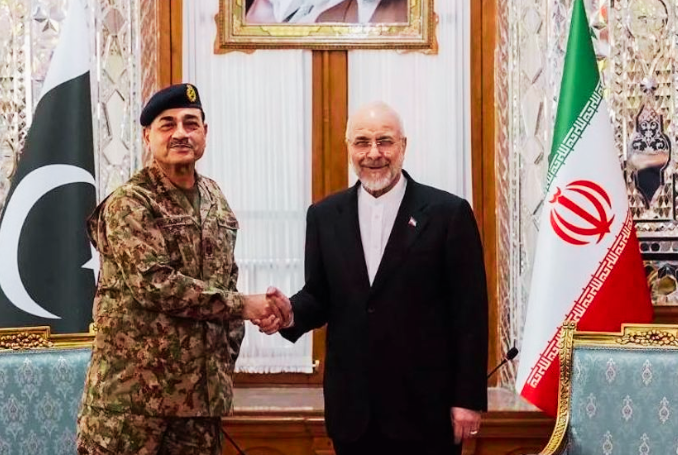
Pakistan has several reasons to support de-escalation.
First, Iran is Pakistan's immediate western neighbour.
Second, Pakistan has significant economic and security interests in regional stability.
Third, a prolonged conflict could increase oil prices and create additional economic pressure on Pakistan.
Finally, Pakistan wants to avoid instability spreading across its neighbourhood.
A successful mediation effort could therefore have important diplomatic and economic benefits for Islamabad.
Pakistan and Iran Relations
Pakistan and Iran share a long border and have longstanding political, cultural and economic connections.
Despite occasional tensions, both countries have repeatedly emphasized the importance of maintaining bilateral relations.
Pakistan also needs stability along its western border.
For these reasons, Islamabad has a strong interest in preventing further escalation between Iran and the United States.
What Could Asim Munir Discuss in Tehran?
Although the full details of the diplomatic discussions are not public, reports indicate that several regional and security issues could be discussed.
Potential topics include:
- US–Iran negotiations
- Regional peace
- US sanctions
- Strait of Hormuz
- Regional security
- Houthi attacks
- Pakistan–Iran relations
- Wider Gulf security
Reuters reported that Munir was expected to engage with figures close to Iran's Supreme Leader and discuss regional security matters.
Can Pakistan Restart US–Iran Peace Talks?
Pakistan may be able to help reopen communication, but achieving a final agreement will be much more difficult.
The United States and Iran have major differences over sanctions, security and Iran's nuclear programme.
Pakistan's biggest potential contribution could be creating a trusted communication channel.
If Islamabad succeeds in bringing the two sides back to negotiations, it could become a major diplomatic achievement for Pakistan.
Why This Matters for Pakistan
A successful diplomatic initiative could improve Pakistan's international position.
Pakistan could potentially emerge as an important regional mediator capable of communicating with competing powers.
However, failure could also expose the limits of Islamabad's diplomatic influence.
For Pakistan, therefore, the Tehran mission carries both opportunities and risks.
Impact on Oil Prices
The US–Iran crisis has already created uncertainty in global energy markets.
Any escalation around the Strait of Hormuz could push oil prices higher.
Higher oil prices could affect:
- Petrol prices
- Diesel prices
- Transportation costs
- Electricity generation
- Manufacturing
- Food prices
- Inflation
Pakistan, as an energy-importing country, would be particularly sensitive to a prolonged increase in international crude prices.
Impact on the Global Economy
The consequences of the Iran–US confrontation could extend far beyond the Middle East.
Higher energy costs can increase production and transportation expenses around the world.
Asian economies could be especially affected because many rely heavily on imported energy.
Financial markets are therefore watching developments in Tehran and Washington closely.
What Happens Next?
The coming days could be important for the future of US–Iran diplomacy.
Three possible scenarios could emerge.
Scenario 1: Talks Resume
Pakistan could help establish a new communication channel and encourage Washington and Tehran to return to negotiations.
Scenario 2: Deadlock Continues
The two sides could remain far apart, with sanctions and regional tensions continuing.
Scenario 3: Further Escalation
If diplomacy fails and restrictions around the Strait of Hormuz increase, the crisis could have wider economic and security consequences.
Asim Munir Iran Visit: Key Facts
- Visitor: Field Marshal Asim Munir
- Country: Iran
- City: Tehran
- Date: August 24, 2026
- Main objective: Support regional peace and revive US–Iran dialogue
- US President: Donald Trump
- Pakistan's role: Potential mediator between Washington and Tehran
- Major issue: US sanctions against Iran
- Another major issue: Strait of Hormuz
- Regional concern: Oil supplies and Middle East stability
Reuters reported that Munir spoke with Trump before his Tehran trip and that Pakistan is seeking to use its relationships with both countries to help reduce tensions.
Conclusion
The Asim Munir Iran visit has placed Pakistan at the centre of one of the most important diplomatic developments in the Middle East.
Field Marshal Asim Munir's arrival in Tehran comes at a time when US–Iran peace talks remain stalled, Washington is preparing additional sanctions and tensions surrounding the Strait of Hormuz remain high.
The reported conversation between Munir and President Donald Trump before the Tehran visit has further increased attention on Pakistan's mediation efforts.
Pakistan has strong relations with Iran and maintains important ties with the United States, giving Islamabad an opportunity to act as a communication bridge.
Whether that effort can produce a new round of negotiations remains uncertain.
But if Pakistan succeeds in helping Washington and Tehran return to serious talks, the Asim Munir Iran visit could become one of Pakistan's most significant diplomatic initiatives of 2026.
Disclaimer: This article is based on reports available on August 24, 2026. Diplomatic discussions between Pakistan, Iran and the United States are developing rapidly, and details may change as officials release further information.
Comments (0)