
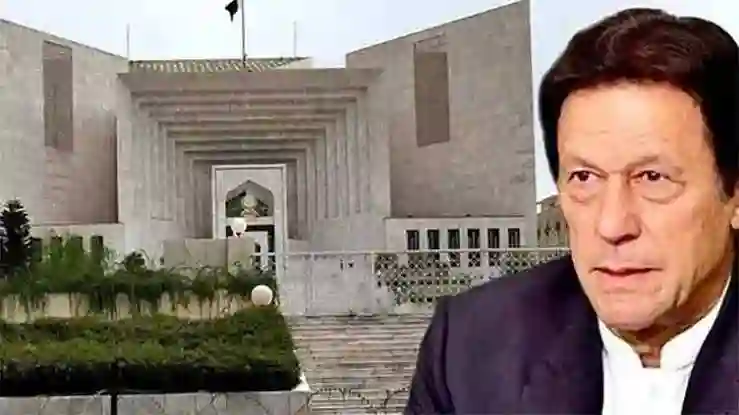
Pakistan's Supreme Court has ordered that former Prime Minister Imran Khan
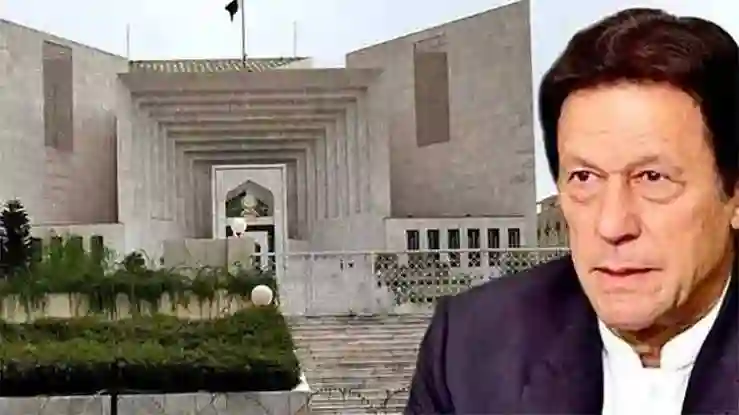
Pakistan's Supreme Court has ordered that former Prime Minister Imran Khan be transferred from Rawalpindi's Adiala Jail to Islamabad's Shifa International Hospital for medical treatment, a decision his party had been seeking for months. The three-member bench also directed that a medical board be formed to oversee his treatment and that his family be allowed to meet him at the hospital.
Government Challenges the Order
A day after the court's ruling, the Islamabad chief commissioner's office filed a review petition challenging the transfer order. Federal Law Minister Azam Nazeer Tarar said the government wants Khan examined at a public hospital instead, arguing that prison rules require a medical board, not a court, to decide between jail and hospital treatment for a convicted person.
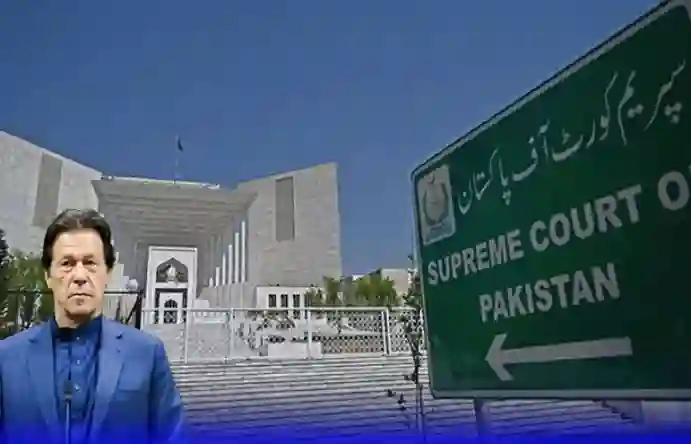
Concerns over Khan's health, particularly reported deterioration in the vision of his right eye, have driven repeated appeals to the courts by his family and party over the past year. Following the court's order, his wife Bushra Bibi met him at Adiala Jail along with their two children, and his sister Noreen Niazi also visited him for the first time in nine months.
Three Years in Detention
Khan, 73, has been in jail since August 2023 following convictions in several cases that he and his Pakistan Tehreek-e-Insaf (PTI) party maintain were politically motivated. Earlier this month, as his detention marked its third anniversary, human rights group Amnesty International called on Pakistani authorities to restore his and his wife's access to family visits and legal counsel, both of which had reportedly been limited in recent months.
With the government's review petition now before the courts, the final outcome of the hospital transfer order remains uncertain. The case continues to draw significant attention both domestically and internationally, with rights groups, legal experts, and political observers closely watching how the courts balance medical necessity against procedural objections raised by the state.
This is a developing legal matter. This article will be updated as further developments occur.


Comments (0)