
$22 Million Train Heist in California: 13 Men Indicted in Nike, Crocs and Cargo Theft Case
Introduction: Massive Freight Train Theft Case Shakes Los Angeles
A major freight train theft investigation in California has resulted in federal charges against 13 men accused of participating in an organized cargo theft operation worth more than $22 million.
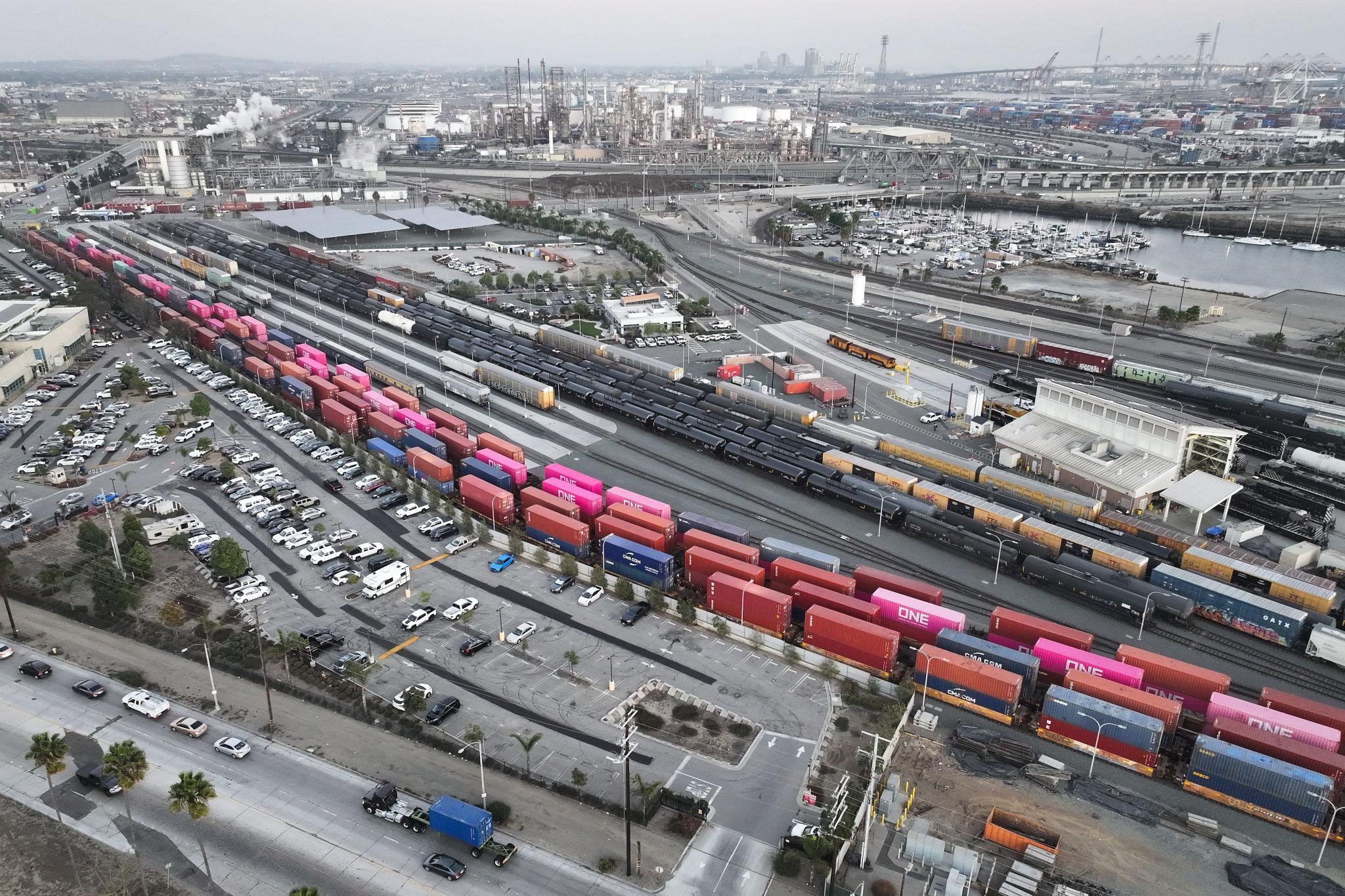
According to an indictment unsealed on Thursday, November 19, the alleged operation targeted more than three dozen freight trains transporting imported merchandise through the Los Angeles and Long Beach port network.
The stolen cargo reportedly included Nike sneakers, Crocs footwear, power tools and other consumer products destined for retailers and customers across the United States.
Federal investigators allege that members of the group deliberately disabled trains, removed merchandise and transferred the stolen goods onto trucks before arranging their resale.
The case has attracted attention because of the scale of the alleged operation and the involvement of major consumer brands.
The 13 defendants face federal charges involving conspiracy and theft of interstate railroad cargo. Two defendants also face additional charges related to violence against railroad carriers.
The investigation raises important questions about cargo security, organized retail theft and the vulnerabilities of America's freight transportation system.
1. What Happened in the $22 Million California Train Heist?
The case involves an alleged organized theft operation targeting freight trains transporting consumer goods through Southern California.
According to the federal indictment reported by the Associated Press, the group allegedly targeted more than 35 trains carrying imported products.
The shipments entered the United States through the ports of Los Angeles and Long Beach, two major gateways for international cargo.
The stolen merchandise reportedly included:
-
Nike sneakers
-
Crocs footwear
-
Power tools
-
Other consumer products
Prosecutors estimate that the alleged theft operation resulted in more than $22 million in stolen cargo.
The indictment describes an organized operation rather than isolated incidents of opportunistic theft.
Investigators allege that the defendants worked together to target freight shipments and move stolen merchandise into trucks for distribution and resale.
2. How Did the Alleged Train Theft Operation Work?
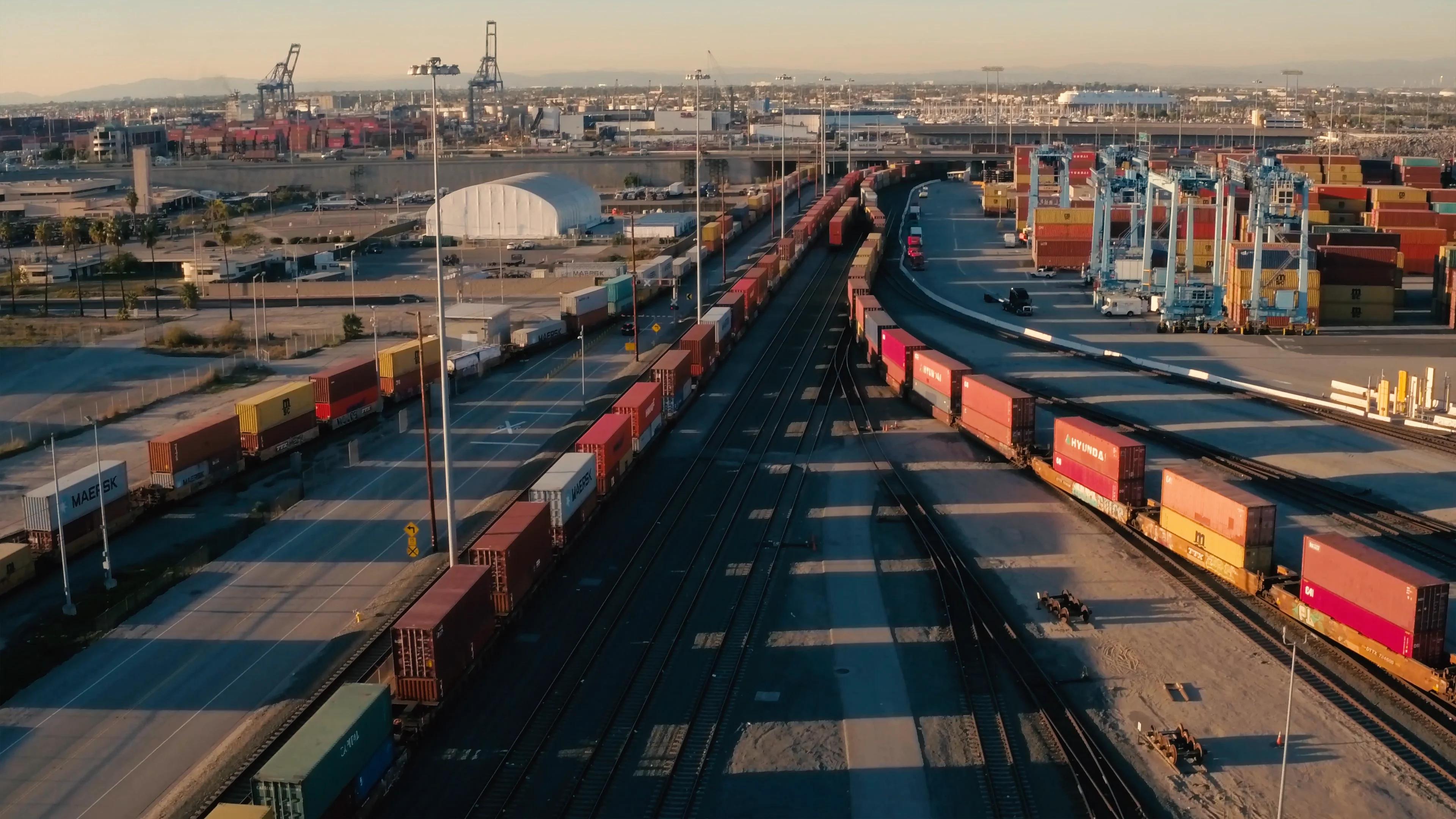
One of the most significant details in the indictment concerns how the suspects allegedly stopped freight trains.
Federal prosecutors say the group damaged train braking systems at planned locations to disable the trains.
Once a train was stopped, the alleged participants removed merchandise from freight cars and transferred the goods onto waiting trucks.
The stolen products were then allegedly sold to an unnamed company that would resell the merchandise for profit.
This alleged process involved several stages:
Step 1: Targeting Freight Trains
The indictment says the group targeted freight trains transporting imported consumer products through Southern California.
Step 2: Disabling Train Brakes
Prosecutors allege that members damaged the braking systems to stop trains at selected locations.
Step 3: Removing Merchandise
After the trains were stopped, merchandise was allegedly unloaded from freight cars.
Step 4: Transporting Stolen Cargo
The goods were reportedly moved onto trucks for transportation away from the railway locations.
Step 5: Arranging Resale
Investigators allege that the stolen products were sold to an unnamed company for resale.
These allegations describe the prosecution's account of the operation. The defendants are presumed innocent unless proven guilty in court.
3. Why Were Nike Sneakers and Crocs Among the Targeted Products?
The alleged theft operation involved consumer merchandise from well-known brands, including Nike and Crocs.
These products are widely recognized in the retail market and are sold through stores and online shopping platforms.
The presence of recognizable brands has brought additional attention to the case.
However, the indictment also identifies power tools and other consumer merchandise, showing that the alleged operation was not limited to footwear.
Large cargo shipments can contain products from different manufacturers and retailers.
When merchandise disappears during transportation, it can create financial losses for the companies involved and complicate supply-chain operations.
4. Where Did the Stolen Cargo Come From?
The investigation focuses on freight trains carrying imported merchandise through the Los Angeles and Long Beach port network.
The ports of Los Angeles and Long Beach are among America's busiest international shipping gateways.
Imported goods arriving at these ports are transported through an extensive network of railways, trucks, warehouses and distribution facilities.
Freight trains play an important role in moving merchandise from coastal ports to inland markets across the country.
This makes cargo security important not only for retailers but also for shipping companies, transportation operators and businesses that depend on reliable deliveries.
The alleged operation targeted trains carrying goods that had entered the United States through this major logistics network.
5. What Evidence Did Investigators Describe?
According to the Associated Press report, the indictment includes allegations about communications and media shared by members of the group.
Investigators say participants shared photographs and videos showing train break-ins, stolen merchandise and large amounts of cash.
The report also describes AI-generated images shared in group chats.
These images reportedly used the phrase "Los Trenes," meaning "The Trains" in Spanish, and depicted exaggerated scenes involving stolen shoe boxes and police helicopters.
Such material forms part of the allegations described in the indictment.
The investigation highlights how digital communications, photographs and videos can become important evidence in organized cargo theft cases.
The exact evidentiary value of individual materials will depend on how they are presented and examined in court.
6. What Federal Charges Do the 13 Defendants Face?
A federal indictment was unsealed on Thursday, November 19, naming 13 men in connection with the alleged operation.
The charges include:
-
Conspiracy
-
Theft of interstate railroad cargo
Two defendants also face additional charges involving violence against railroad carriers.
According to the Associated Press, the defendants could face prison sentences ranging from five to 20 years if convicted.
However, the possible sentence depends on the charges, applicable federal law, individual circumstances and court proceedings.
An indictment is a formal accusation, not proof of guilt.
The defendants retain the right to contest the allegations in court.
7. Why Is Cargo Theft a Major Concern for American Businesses?
Cargo theft can affect several parts of the American economy.
Businesses depend on reliable transportation to move products from manufacturers and ports to warehouses, retailers and customers.
When shipments are stolen, companies can face financial losses and operational disruption.
Retailers
Retailers may experience missing inventory, delayed deliveries and additional security expenses.
Shipping Companies
Rail operators and logistics businesses may need to invest in monitoring systems, physical security and improved cargo protection.
Consumers
Cargo theft can contribute to supply disruptions and additional business costs, although the effect on retail prices varies and cannot be assumed in every case.
Insurance Companies
Businesses may need to file claims for stolen shipments, depending on their insurance coverage and contractual responsibilities.
The California investigation demonstrates why transportation security is an important issue for large retailers and logistics operators.
8. Why Los Angeles and Long Beach Are Important to the Investigation
The Southern California port network plays a major role in international trade.
Products imported from overseas often enter the United States through these ports before being transported to distribution centres across the country.
Rail transportation helps move large quantities of merchandise efficiently over long distances.
Because so many goods pass through this network, security incidents involving freight trains can attract attention beyond the local area.
The alleged theft operation reportedly targeted trains carrying imported products through this network, making the case relevant to the broader American supply chain.
9. What Happens Next in the Federal Train Theft Case?
The next stage involves federal court proceedings against the 13 defendants.
Prosecutors will need to establish the allegations through evidence presented under applicable legal procedures.
The defendants will have the opportunity to challenge the charges and evidence.
Important developments to watch include:
-
Initial court appearances
-
Detention and bail decisions
-
Further details about the indictment
-
Evidence presented by federal prosecutors
-
Any additional charges
-
Court decisions and possible trial dates
The identities of the alleged buyers and the full details of the merchandise recovery were not established in the Associated Press report.
Further information may emerge as the case progresses.
10. Final Analysis: What the $22 Million Train Heist Means for US Cargo Security
The California train theft investigation is significant because of the reported value of the stolen merchandise, the number of trains allegedly targeted and the scale of the federal charges.
The case also demonstrates the importance of protecting freight transportation networks that connect international ports with American retailers and consumers.
For businesses, the investigation highlights the need for effective cargo monitoring, transportation security and cooperation with law enforcement.
For the defendants, the legal process is still ongoing, and the charges remain allegations until established in court.
The most important question now is how prosecutors will present their case and whether the investigation will reveal additional information about the alleged operation and its resale network.
BBS Alerts News 24 will continue following this federal investigation and report significant developments as verified information becomes available.
Frequently Asked Questions
1. What happened in the $22 million California train heist?
Thirteen men were indicted over an alleged organized cargo theft operation involving more than three dozen freight trains and over $22 million in merchandise.
2. Where did the alleged train thefts happen?
The investigation concerns freight trains transporting imported goods through the Los Angeles and Long Beach port network in Southern California.
3. Which products were allegedly stolen?
The cargo reportedly included Nike sneakers, Crocs footwear, power tools and other consumer merchandise.
4. How many people were charged in the California train theft case?
Thirteen men were indicted on federal charges involving conspiracy and theft of interstate railroad cargo.
5. How did the suspects allegedly stop freight trains?
According to the indictment, members of the group allegedly damaged train braking systems at planned locations to stop trains and remove merchandise.
6. How much was the alleged stolen cargo worth?
Prosecutors described the alleged theft operation as involving more than $22 million in cargo.
7. What punishment could the defendants face?
According to the Associated Press, the defendants could face five to 20 years in federal prison if convicted. Actual sentences depend on the applicable charges and court proceedings.
8. Were Nike and Crocs involved in the investigation?
Nike sneakers and Crocs footwear were among the products reportedly targeted. Their appearance in the case does not mean the companies were accused of wrongdoing.
9. Was the stolen merchandise sold to another company?
The indictment alleges that the stolen merchandise was sold to an unnamed company that would resell it for profit.
10. Have the 13 defendants been convicted?
No conviction is established by the indictment. The defendants are accused of federal offenses and are presumed innocent unless proven guilty in court.
Editorial Note: This report is based on the Associated Press report published November 19, 2026, describing allegations in a federal indictment. Charges are allegations, not convictions. This article is independent reporting and analysis by BBS Alerts News 24.



Comments (0)