
DEA Discovers First Nitazene Drug Lab in America: Louisiana Investigation Reveals Dangerous Synthetic Opioid
Introduction: Major Drug Manufacturing Laboratory Discovered in Louisiana
Federal and local law enforcement authorities have dismantled a large-scale synthetic opioid manufacturing laboratory in Baton Rouge, Louisiana, marking what the Drug Enforcement Administration describes as the first known large-scale nitazene synthesis laboratory dismantled in the United States.
The discovery has raised significant concerns about the changing nature of America's illegal drug supply.
Investigators initially believed the facility was involved in fentanyl production. However, forensic testing later confirmed that the laboratory was manufacturing etonitazene, an extremely potent synthetic opioid belonging to a group of substances known as nitazenes.
According to a November 20 announcement by the DEA and the East Baton Rouge Sheriff's Office, the facility contained approximately $250,000 worth of professional-grade equipment.
The investigation began three months before the laboratory was discovered on November 12.
Authorities say the discovery represents an important development in the fight against emerging synthetic opioids, which can create serious public health risks.
1. Where Was the Illegal Drug Laboratory Discovered?
The laboratory was discovered in the basement of a residential property in Baton Rouge, Louisiana.
The investigation was led by narcotics agents from the East Baton Rouge Parish Sheriff's Office, working alongside the Drug Enforcement Administration and other law enforcement partners.
Authorities executed three search warrants at locations associated with the investigation.
The primary laboratory was located at 4830 Cottage Hill Drive in Baton Rouge.
Investigators discovered a sophisticated clandestine facility containing industrial equipment and chemicals associated with synthetic drug manufacturing.
The discovery was initially connected to an investigation into suspected fentanyl distribution activities.
However, subsequent forensic analysis revealed that the operation involved etonitazene rather than only the substances investigators initially suspected.
2. What Are Nitazenes and Why Are Authorities Concerned?
Nitazenes are a class of synthetic opioids associated with serious overdose risks.
They are not approved medicines for ordinary medical use and have increasingly appeared in illicit drug markets.
One particular substance identified in the Louisiana investigation was etonitazene.
According to the DEA, nitazenes can match or significantly exceed the potency of fentanyl, depending on the specific compound.
This makes their presence in illegal drug supplies particularly concerning.
Authorities warn that illicit manufacturers and distributors may mix synthetic opioids into other substances or counterfeit prescription pills.
People purchasing illegal drugs may not know which substances are present.
This creates an additional danger because the appearance of a pill or powder cannot reliably identify its chemical contents.
3. What Did Investigators Discover Inside the Laboratory?
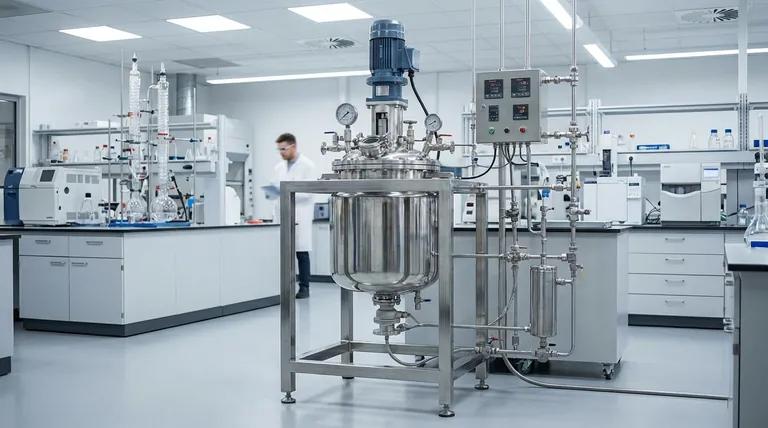
The DEA described the Baton Rouge facility as a large-scale and sophisticated clandestine laboratory.
Investigators reported finding approximately $250,000 in professional-grade equipment.
The seized equipment included industrial processing and temperature-control systems.
One major finding was a reactor system with a capacity of approximately 100 liters.
Authorities also reported that the main reactor vessel contained approximately 58 liters of liquid when the laboratory was discovered.
DEA forensic chemists subsequently analyzed the material.
On November 18, investigators received confirmation that the liquid contained etonitazene.
The laboratory findings changed the direction of the investigation and led authorities to announce the discovery as a significant development in domestic synthetic opioid enforcement.
4. How Did the DEA Confirm the Substance?
Following the discovery, DEA forensic chemists examined samples collected from the laboratory.
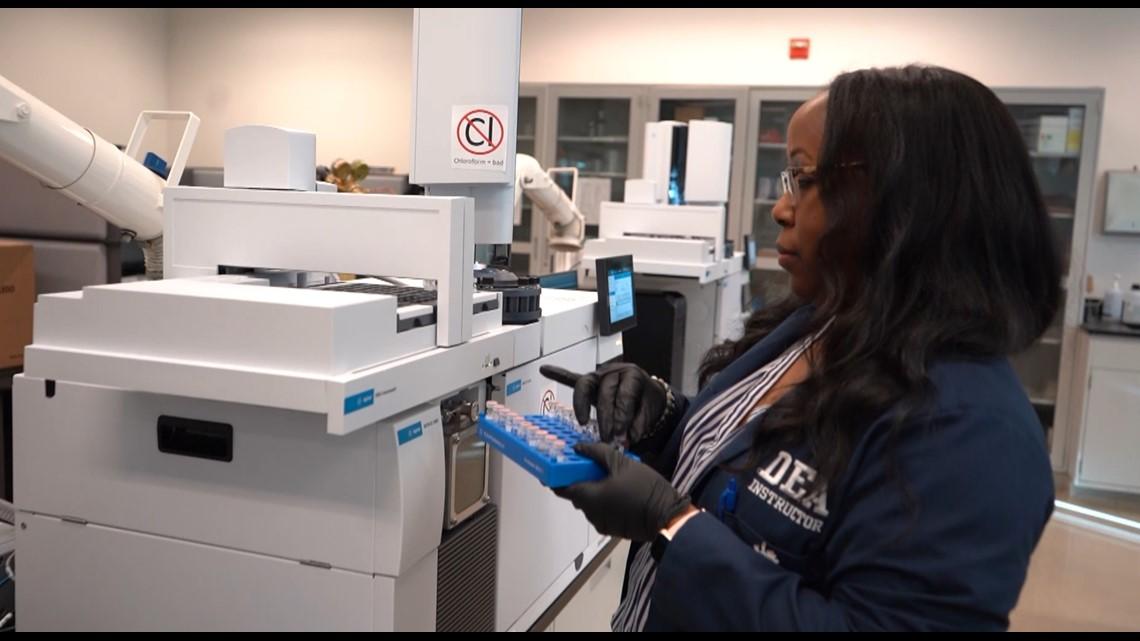
Specialists from the agency's South Central Laboratory in Dallas assisted with the investigation and chemical analysis.
The forensic testing identified etonitazene in the material recovered from the main reactor vessel.
The results were received on November 18, according to the official announcement.
The confirmation was important because investigators had initially suspected that the facility was producing fentanyl.
Laboratory testing allowed authorities to identify the substance more precisely and add a further charge in the case.
5. How Dangerous Is Etonitazene?
Etonitazene belongs to the nitazene family of synthetic opioids.
These substances can produce powerful opioid effects and pose a serious risk of fatal overdose.
The DEA warns that the potency of individual nitazene compounds varies and may equal or exceed that of fentanyl.
Potential overdose symptoms include:
-
Extremely slow or stopped breathing
-
Loss of consciousness
-
Unresponsiveness
-
Pinpoint pupils
-
Dangerous oxygen deprivation
Nitazenes may be present in counterfeit pills or mixed with other illegal substances without the user's knowledge.
This makes laboratory identification and public awareness particularly important.
Emergency medical professionals may use naloxone to reverse opioid overdoses. However, multiple doses may be required in some cases.
Anyone who suspects an overdose should call emergency services immediately rather than waiting for symptoms to improve.
6. What Does This Discovery Mean for America's Drug Crisis?
The discovery highlights how illegal drug manufacturing continues to evolve.
Fentanyl has been a major concern for American public health authorities for years.
However, the emergence of additional synthetic opioids creates new challenges for investigators, medical professionals and public health organisations.
Nitazenes are particularly concerning because different chemical compounds can appear in illegal drug markets.
Their presence may be difficult to identify without specialized forensic testing.
The Louisiana discovery suggests that domestic clandestine manufacturing capabilities may be expanding beyond traditional fentanyl production.
Authorities will need continued cooperation between local police departments, federal agencies and forensic laboratories to identify emerging threats.
7. Louisiana Has Become a Major Nitazene Concern
Louisiana has emerged as an important location in the investigation of nitazene-related activity.
According to the Louisiana State Police Crime Laboratory, more than 80% of all etonitazene exhibits seized by the DEA nationwide this year originated in Louisiana.
This statistic highlights the importance of monitoring the state's illegal drug supply.
It also explains why federal and local authorities have increased attention on emerging synthetic opioids in the region.
The laboratory discovery adds another major development to the state's ongoing drug enforcement efforts.
8. Who Was Arrested in the Louisiana Investigation?
Authorities identified Torrey Lewis Jr., 34, of Baton Rouge, in connection with the investigation.
According to the official DEA announcement, investigators had been examining suspected drug trafficking activities associated with Lewis.
He was already facing charges involving alleged fentanyl laboratory operations, possession with intent to distribute controlled substances, drug paraphernalia, firearms and money laundering.
Following the forensic confirmation of etonitazene, investigators added a charge of possession with intent to distribute Schedule I narcotics.
Authorities stated that Lewis remained in custody without bond at the time of the announcement.
These are criminal allegations, and the defendant is presumed innocent unless proven guilty in court.
9. What Else Did Authorities Seize?
During the investigation, law enforcement officials reported seizing additional suspected drugs, firearms and currency.
The announced seizures included:
-
Approximately 22.5 grams of fentanyl
-
Approximately 3 grams of cocaine
-
Two rifles
-
$8,531 in currency
-
Drug manufacturing and distribution paraphernalia
The laboratory equipment and chemicals were removed with assistance from a specialized environmental response contractor.
The investigation involved several federal, state and local law enforcement partners.
10. What Happens Next in the DEA Investigation?
The investigation remains ongoing.
Authorities say the discovery of the nitazene laboratory has added another important dimension to the case.
Investigators may continue examining suspected distribution networks, potential suppliers and other locations connected to the operation.
The case also demonstrates why forensic testing is becoming increasingly important in modern drug enforcement.
As new synthetic substances emerge, law enforcement agencies need specialized laboratory resources to identify them and understand the risks they present.
Further developments may include additional charges, court proceedings and public safety announcements.
11. How Can Americans Protect Themselves From Synthetic Opioids?
Public health authorities recommend avoiding pills or medications obtained outside legitimate medical and pharmacy channels.
Counterfeit prescription pills may contain unexpected substances, including dangerous synthetic opioids.
Important precautions include:
Use licensed pharmacies: Only take prescription medications supplied through legitimate healthcare channels.
Never trust appearance alone: A pill that looks like a prescription medication may contain completely different substances.
Know the signs of overdose: Slow breathing, unconsciousness and inability to respond require immediate medical attention.
Understand naloxone: Naloxone can reverse opioid overdoses, but emergency services must still be contacted immediately.
Follow official public health guidance: The DEA and local health authorities publish warnings about emerging synthetic drugs.
12. Final Verdict: A New Warning Sign for US Drug Enforcement
The discovery of the Baton Rouge laboratory represents an important development in America's fight against synthetic opioids.
The DEA's confirmation of etonitazene production demonstrates that illegal drug manufacturing is evolving and that authorities must adapt their investigations accordingly.
The approximately $250,000 worth of professional equipment discovered at the facility also highlights the scale of the alleged operation.
While the dismantling of the laboratory removes one identified manufacturing source, the wider challenge of synthetic opioid distribution remains.
The next important developments will involve the continuing investigation, forensic analysis and efforts to prevent dangerous substances from reaching American communities.
BBS Alerts News 24 will continue following the DEA investigation and reporting verified developments involving America's emerging synthetic opioid threat.
Editorial Disclaimer
This report is based on the official DEA and East Baton Rouge Sheriff's Office announcement dated November 20, 2026, alongside published reporting from CBS News. Criminal allegations are not convictions. Readers should consult official public health authorities for medical and safety guidance.
Comments (0)