

Pakistan's economy closed fiscal year 2025-26 with real GDP growth of 3.7 percent — the fastest pace in four years — as macroeconomic stability improved and activity picked up across agriculture, industry, and services.

Economy Crosses $452 Billion
According to Pakistan's Finance Division, the size of the economy expanded to $452.1 billion despite flood-related disruptions earlier in the year and volatility in global commodity markets. Growth was driven primarily by the services sector, which now accounts for nearly 58 percent of GDP, while agriculture and industry made smaller but steady contributions.
Inflation and Fiscal Discipline
Average inflation for the July-May period was recorded at around 6.7 percent, with officials noting that price stability was broadly maintained despite global energy pressures linked to the Gulf conflict. Finance Minister Muhammad Aurangzeb highlighted the sharp improvement in monetary conditions, noting that inflation has fallen dramatically from a peak of 28 percent to a policy rate of 11.5 percent today
The fiscal deficit also narrowed significantly, dropping to just 0.7 percent of GDP during the July-March period, compared to 2.6 percent during the same period a year earlier — marking one of the strongest fiscal performances in decades
External Account and Remittances
On the external front, Pakistan recorded a marginal current account surplus during the fiscal year, with workers' remittances remaining a key pillar of support, rising 8.2 percent to $30.3 billion. Officials pushed back against the idea that remittances and exports are competing priorities, arguing instead that both are essential components of a resilient external sector.
The trade deficit, however, remained a concern, standing at over $23 billion for the July-March period, underlining the continued gap between what Pakistan imports and what it earns from exports.
Sector-by-Sector Performance
Industry contributed roughly 18 percent of GDP, led by large-scale manufacturing, with textiles remaining the country's largest export sector. However, power cuts and energy costs weighed on industrial output later in the year, making industry the weakest-performing major sector even as services carried much of the recovery. Agriculture, sensitive to climate shocks and water availability, continues to influence food inflation and rural incomes directly.
What's Next?
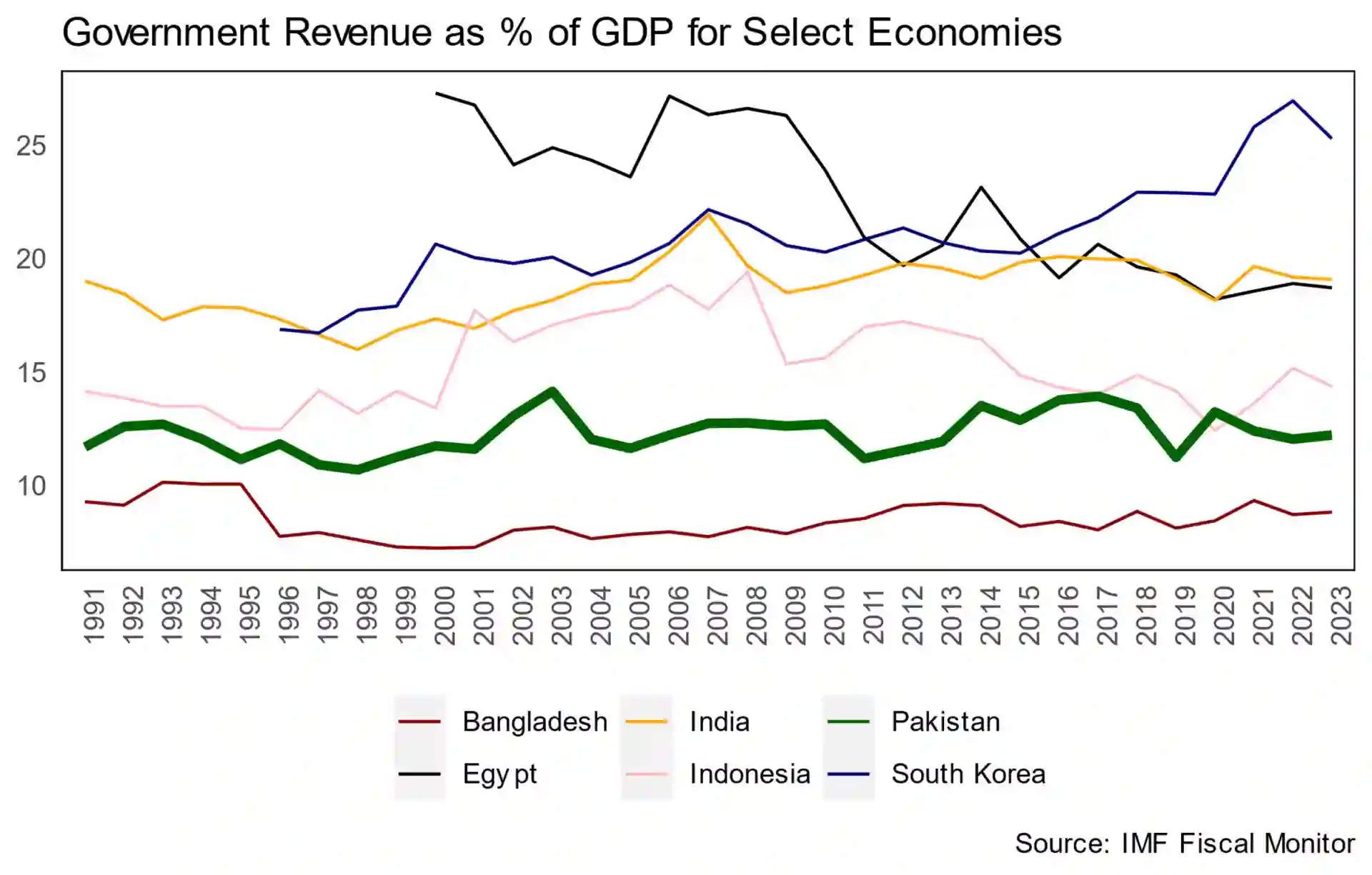
Looking ahead, the Finance Division expects growth momentum to continue, supported by manufacturing expansion, a stable external account, and continued fiscal discipline. However, economists caution that structural challenges — including low tax collection, a heavy reliance on remittances, and exposure to climate-related shocks — mean Pakistan's economic recovery remains fragile and will require sustained reform to translate into broader improvements in living standards.
This report is based on official data from Pakistan's Finance Division and reporting from Reuters and Dawn News.

Comments (0)