
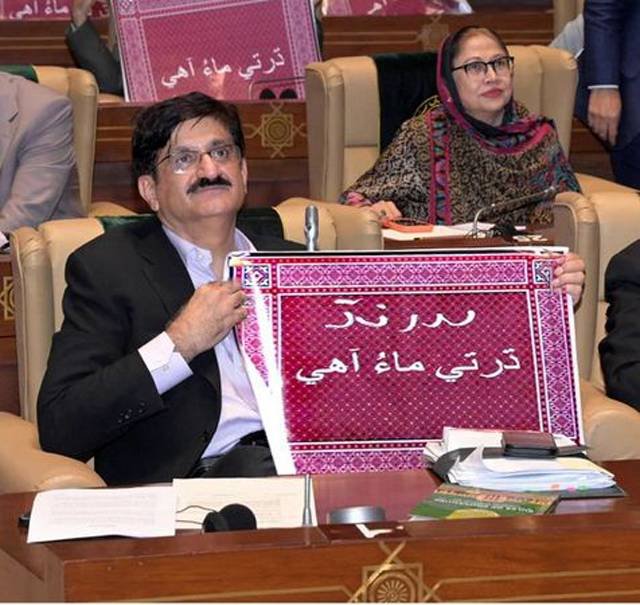
In the face of opposition boycott, the Sindh Assembly adopts a resolution opposing province division.
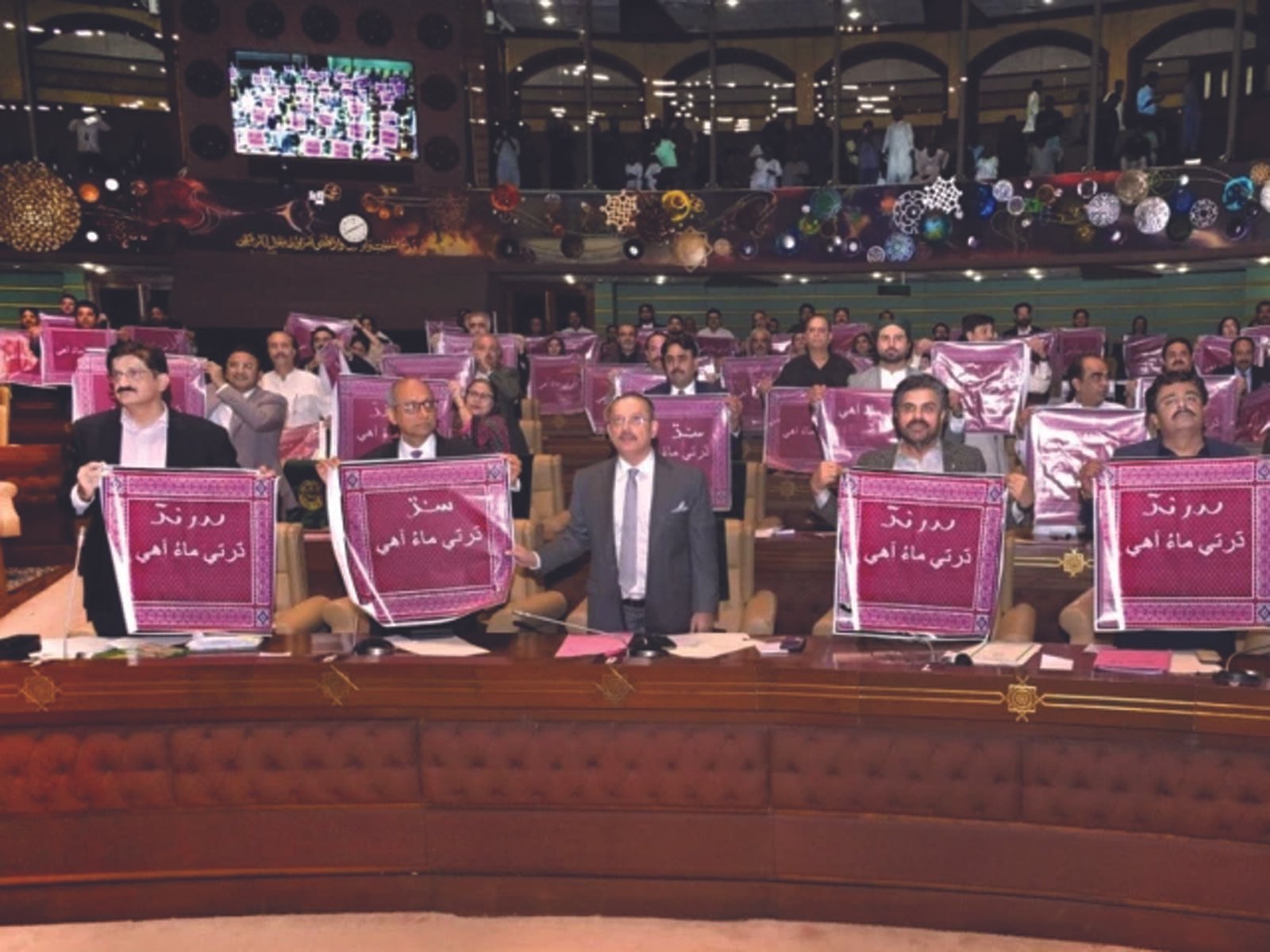
A significant turning point in the political debate in Sindh regarding the establishment of new administrative units and provinces occurred this week when the Sindh Assembly passed a resolution rejecting any attempt to divide the province or alter its existing territorial boundaries. The situation changed after four days of discussion in the provincial assembly.``` The issue prompted strong responses from both the opposition and the Treasury benches, particularly regarding the question of whether or not demands for administrative reform should be considered a demand to divide Sindh.
What took place in Sindh Assembly?
The Pakistan Peoples Party leader Nisar Ahmed Khuhro presented an adjournment motion to the Sindh Assembly regarding a rekindled debate regarding Pakistan's creation of new provinces and administrative units. On the official agenda of the assembly, proposals that might alter Sindh's current boundaries were specifically mentioned. Nisar Ahmed Khuhro passed a resolution following the discussion saying no to plans to divide Sindh, change its borders, or create a new province out of its territory.. The resolution was approved by the house members who were present. However, MQM-P and Jamaat-e-Islami opposition lawmakers left before the resolution could be put to a vote.
What Motivated the Opposition to Leave?
The opposition's position was different from the Treasury benches'. Legislators from the MQM-P argued that the demand for improved administrative arrangements and decentralization should not be interpreted as a strategy to divide Sindh. Members of the opposition had previously called for administrative reforms and increased local autonomy during earlier assembly discussions. According to reporting on the debate, opposition lawmakers maintained that they were not necessarily demanding a change in Sindh’s geographical boundaries. Their argument centered more on governance, administrative effectiveness, and authority at the local level. Disagreement over the resolution's wording and scope led to the walkout. Dawn said that MQM-P and JI didn't like that proposed points about administrative units and devolution were left out.
The Strength of Murad Ali Shah's Position Syed Murad Ali Shah
the chief minister of Sindh, strongly opposed any proposal to divide the state. He argued that the province's geogra
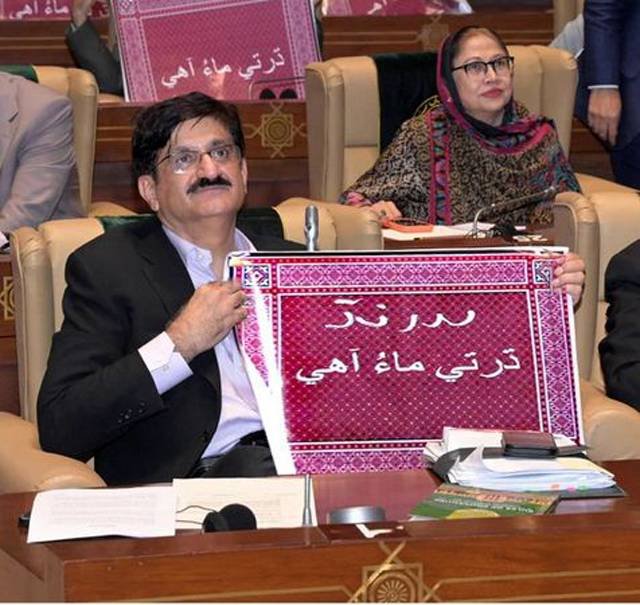 phical unity could not be compromised during his address to the assembly. In addition, he maintained that altering the province's boundaries would necessitate following the constitutional procedure. According to the Business Recorder, Murad Ali Shah stated that a two-thirds majority in both the relevant provincial assembly and the National Assembly as well as presidential assent are required for changes to provincial boundaries. The chief minister's position reflects the Sindh government, which is led by the PPP and has consistently opposed proposals that it believes could result in the division of the province.
What Is Said in the Resolution?
The resolution declared Sindh to be an independent province and rejected plans to alter its boundaries. It also rejected the creation of a separate province from Sindh’s territory and any attempt to detach districts, divisions or other areas from the province.
The resolution emphasized the significance of preserving Sindh's territorial continuity and described Sindh as a historical and constitutional entity. As a result, the action taken by the assembly conveys a clear political message from the provincial legislature: the majority of the current legislature, which is led by PPP members, opposes the division of Sindh or the creation of a new province from its territory. Compared to Administrative Units,
New Provinces The distinction between creating new administrative units and a new province is one of the debate's most significant aspects.
The question of whether Pakistan's current provinces are too large to effectively govern has been brought up numerous times due to the country's growing population and administrative difficulties. The argument made in favor of administrative restructuring is that the addition of additional administrative units could enhance governance, the provision of public services, and political representation. However, opponents worry that certain proposals could eventually result in alterations to provincial boundaries or ethnic and political strife. The debate in the Sindh Assembly demonstrated that these two positions are still very far apart.
Karachi's Contribution to the Debate Due to its enormous population
economic significance, and intricate governance system, Karachi remains at the center of Sindh's administrative structure discussions. As a result, any proposal involving Karachi has significant political repercussions for Sindh and Pakistan as a whole. Resolutions opposing attempts to separate Karachi from Sindh have previously been passed by the Sindh Assembly. A resolution specifically rejecting any plan to create a separate province that included Karachi and declaring the city an integral part of Sindh was passed by the assembly in February 2026. This broader political context serves as the backdrop for the most recent resolution.
What occurs next?
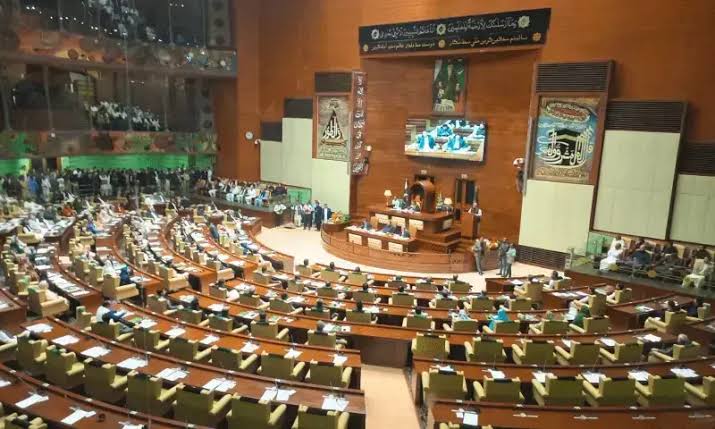
The ongoing debate over Sindh's future administrative structure between the PPP government and opposition parties is likely to have an immediate political impact. The resolution itself does not establish a new constitutional arrangement; rather, it formally reflects the Sindh Assembly's political opposition to dividing the province. The opposition is likely to continue arguing that the issue of provincial division should be discussed separately from administrative reforms, decentralization, and improved local government. However, maintaining Sindh's territorial unity remains a major political priority for the government. According to the official schedule of the Sindh Assembly, legislative business continued on September 4, with questions and other matters scheduled for the afternoon session.
The Importance of This for Pakistan
The most recent development is significant because the discussion regarding new provinces extends beyond Sindh. The question of whether Pakistan needs more administrative units continues to be fueled by concerns about population growth, governance, administrative efficiency, and political representation throughout the country. The Sindh episode demonstrates how sensitive the issue can become when administrative reforms are perceived as potentially affecting provincial boundaries.
The question of whether any proposed reform can ultimately enhance governance, public services, infrastructure, and accountability is the most significant issue for common citizens. In a democratic system, political disagreement is to be expected; however, the discussion will continue to be especially significant if proposed changes to the constitution or the boundaries of existing provinces are involved. Conclusion
After a heated four-day debate, the Sindh Assembly has officially rejected proposals to divide Sindh or change its territorial boundaries. After MQM-P and JI lawmakers walked out over disagreements regarding the wording and inclusion of administrative reforms, the resolution was approved by the members present. In Pakistan's political landscape, the development is likely to keep the debate over Sindh division, new provinces, administrative units, and decentralization alive. The Sindh government's position is unambiguous at this time: Sindh's existing geographical unity ought to be preserved.

Comments (0)