
Bicycle Finder: How Smart GPS Bike Trackers Help Locate and Protect Your Bike
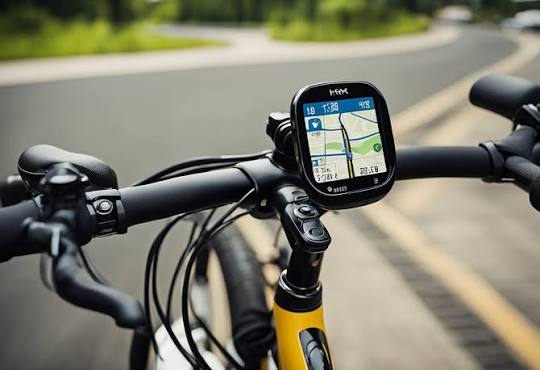
Bicycles have become more than a simple means of transportation. From daily commuting and fitness riding to electric bikes and long-distance cycling, modern bicycles can represent a significant investment. As bike theft continues to be a concern for cyclists, technology is providing new ways to improve bicycle security.
One of the most useful developments is the Bicycle Finder, a smart tracking solution designed to help owners locate and monitor their bicycles.
Modern bike tracking devices can combine GPS, cellular connectivity, Bluetooth and smartphone applications to provide location information and security alerts. Some trackers are designed to remain discreetly installed inside or on the bicycle, making them less noticeable than traditional accessories.
What Is a Bicycle Finder?
A Bicycle Finder is essentially a GPS bike tracking device that allows a bicycle owner to determine the location of a bike through a compatible application or online tracking platform.
Depending on the device, a bicycle tracker may provide real-time location updates, movement notifications, location history and other security features.
Some modern trackers are specifically designed for bicycles and e-bikes rather than being general-purpose GPS devices.
How Does a Bike GPS Tracker Work?
A GPS bike tracker determines its position using satellite navigation and, depending on the model, cellular or other wireless networks.
When the tracker is active, its location can be transmitted to a smartphone application or online portal.
A typical system works through several stages:
- The tracker is installed on the bicycle.
- The device determines its location.
- The tracker communicates through an available network.
- Location information is sent to the associated platform.
- The owner can view the bicycle's location.
- Alerts can be generated when unusual movement is detected.
This makes a GPS bicycle locator considerably more useful than a simple identification tag.
Why Are Bicycle GPS Trackers Becoming Popular?
The growing popularity of bike trackers is closely connected to bicycle theft and the increasing value of modern bicycles.
Electric bikes, premium road bikes and mountain bikes can cost significantly more than conventional bicycles.
A tracking device adds another layer of security alongside a strong lock and other theft-prevention measures.
Current 2026 bike-tracker guides are comparing GPS, cellular and Bluetooth tracking solutions, with features such as live tracking, theft alerts, battery life and waterproofing becoming important buying factors.
Bicycle Finder vs Traditional Bike Lock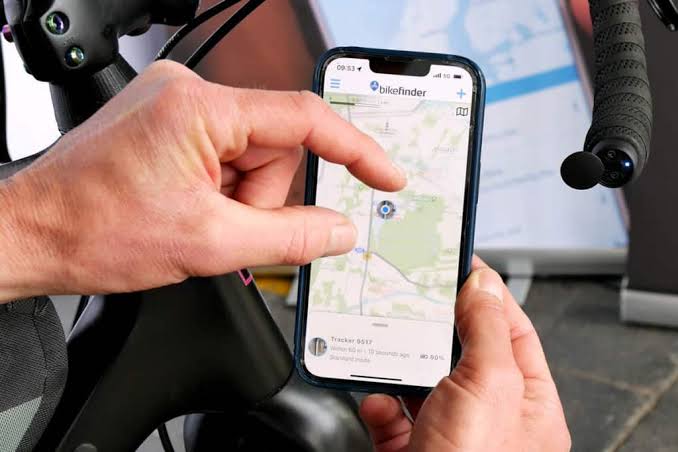
A bicycle lock and a GPS tracker serve different purposes.
A strong lock is designed to make theft more difficult in the first place.
A GPS tracker is designed to help determine where the bicycle is if it has been moved or stolen.
For better protection, cyclists can use both.
A practical security setup may include:
- High-quality bicycle lock
- GPS bike tracker
- Secure tracker installation
- Smartphone alerts
- Bicycle insurance
- Registration or identification information
The combination can provide several layers of protection rather than relying on one device.
Real-Time Bike Location Tracking
One of the biggest advantages of a modern bicycle tracking device is location monitoring.
Some GPS trackers provide live tracking through a mobile application or web-based platform. This can allow the owner to see the bicycle's current or recent position.
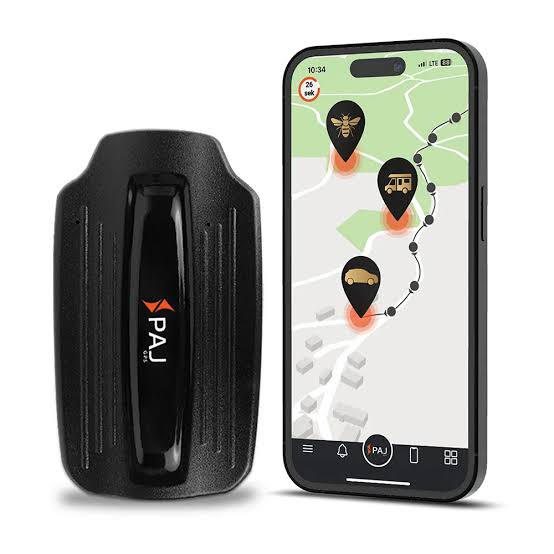
For example, the PAJ LED BICYCLE Finder 4G supports live tracking and location history, while its platform can provide alerts for movement, vibration, geofence activity and other events.
Stolen Bike Recovery
The main reason many cyclists consider a stolen bicycle tracker is recovery.
If a bicycle is moved without permission, a tracker may provide useful location information that can help determine where the bicycle has gone.
However, a GPS tracker should not be considered a guarantee that a stolen bike will be recovered.
Owners should avoid confronting suspected thieves themselves and should provide tracking information to the appropriate authorities or insurance provider where necessary.
Hidden Bike GPS Tracker
A discreet tracker can offer an additional advantage because thieves may not immediately realize that the bicycle contains a tracking device.
Some bicycle tracking products are specifically designed for concealed installation.
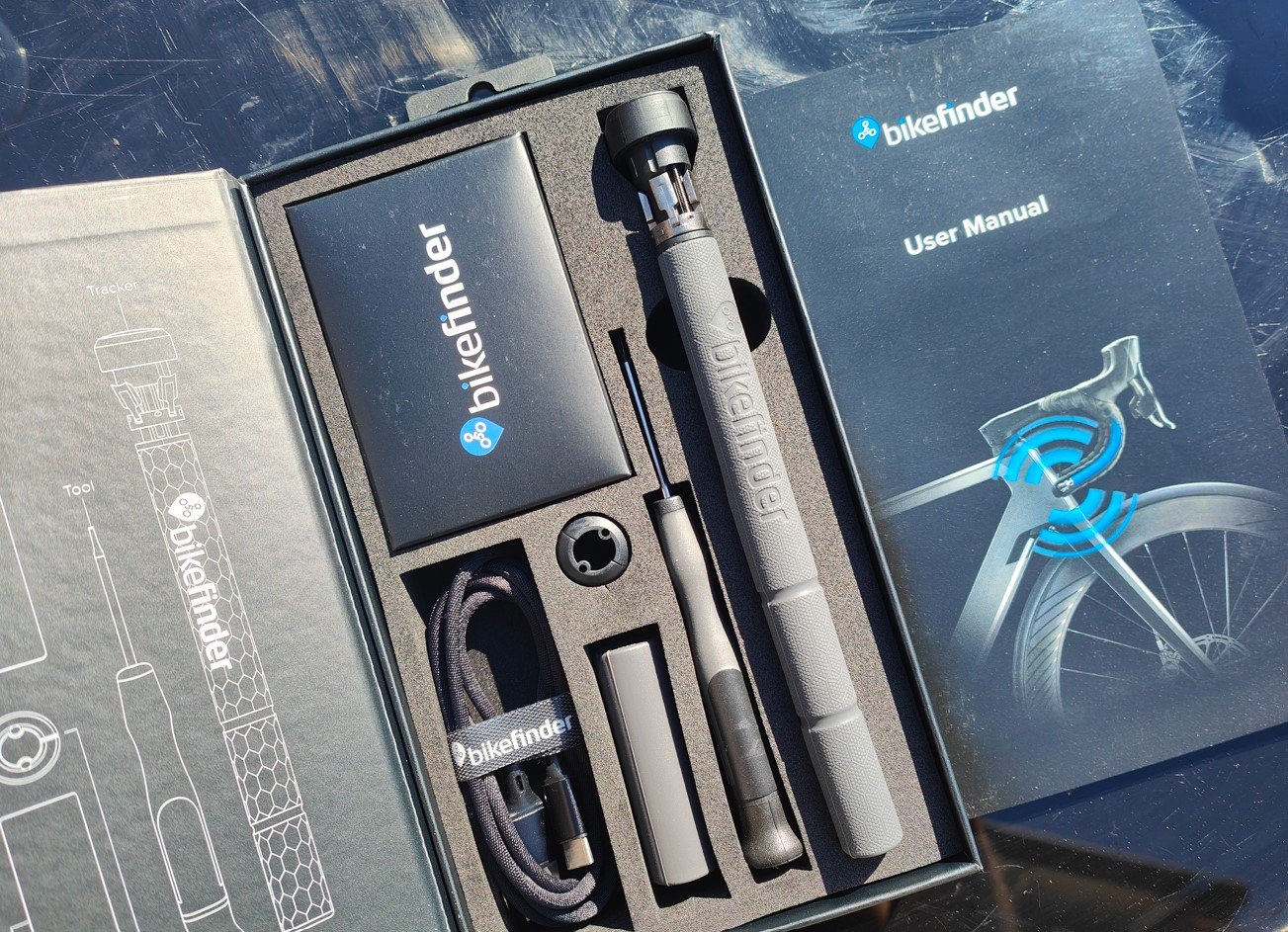
BikeFinder, for example, has been developed around concealed bicycle tracking, with versions designed for installation inside areas such as the handlebar or frame.
A hidden bicycle tracker can therefore complement a visible security system such as a lock or alarm.
GPS Tracker for Electric Bikes
Electric bicycles are another major application for tracking technology.
Because e-bikes can be expensive and contain valuable electronic components, owners may have additional reasons to consider a dedicated tracking device.
A suitable e-bike GPS tracker can provide location monitoring and security notifications while the bicycle is parked or being transported.
Some bicycle tracking products explicitly support both standard bicycles and e-bikes.
Bicycle Tracking App
A smartphone application is an important part of many modern bicycle tracking systems.
Depending on the tracker, an app can allow users to:
- View the bicycle's location
- Check tracking history
- Receive movement alerts
- Monitor battery status
- Create a virtual security area
- Review previous routes
- Manage tracking settings
The exact features vary considerably between manufacturers.
Geofence Alerts for Bikes
Geofencing is another useful feature found in some GPS bicycle trackers.
A user can create a virtual geographical area around a location.
If the bicycle moves outside that predefined area, the tracking system can generate an alert.
This can be useful when a bicycle is parked at home, outside an office, at a school or in another regular location.
Bike Tracker Battery Life
Battery life is an important consideration when choosing a bicycle GPS tracker.
A tracker with frequent live updates generally consumes more power than one operating primarily in standby mode.
For example, PAJ lists up to 12 days of everyday tracking and up to 20 days of standby operation for its LED BICYCLE Finder 4G, although actual battery life depends on usage conditions.
Cyclists should therefore compare:
- Battery capacity
- Normal tracking duration
- Standby time
- Charging method
- Charging frequency
- Low-battery alerts
Waterproof Bicycle GPS Tracker
Bicycles are frequently exposed to rain, mud and road spray.
For this reason, water resistance is an important specification when choosing a bike tracker.
Some current bicycle GPS tracking devices are designed with IP-rated protection. For example, the PAJ LED BICYCLE Finder 4G is listed with IP67 water protection.
However, cyclists should always check the manufacturer's official specifications before exposing a device to heavy rain or water.
GPS vs Bluetooth Bike Trackers
Not every bicycle tracker uses GPS.
There are several different technologies available.
GPS Trackers
GPS trackers are designed for location tracking and can use cellular networks to transmit information over longer distances.
Bluetooth Trackers
Bluetooth-based devices can be smaller and may rely on nearby smartphones or compatible network infrastructure.
Cellular Trackers
Cellular-enabled trackers can communicate through mobile networks, making them useful for longer-distance tracking.
The best technology depends on the cyclist's location, smartphone ecosystem, desired range and budget.
What Should You Look for in a Bicycle Finder?
Before buying a bicycle tracking device, consider the following factors.
Tracking Accuracy
Look for reliable location information and good GPS performance.
Battery Life
Longer battery life means fewer charging sessions.
Network Coverage
A tracker is more useful when its communication network works reliably in the areas where you ride.
Water Resistance
Outdoor cycling requires protection against weather and road conditions.
Size and Installation
A compact tracker can be easier to install discreetly.
Mobile App
A well-designed application can make tracking much easier.
Alerts
Movement, vibration, geofence and low-battery notifications can improve security.
Subscription Costs
Some GPS trackers require a recurring service subscription, so the total cost should be considered before purchasing.
Is a Bicycle Finder Worth It?
For someone who owns an expensive bicycle or e-bike, a tracking device can be a useful additional security layer.
It is especially attractive for cyclists who frequently leave their bicycle in public places.
However, a tracker should not replace a good lock.
The strongest approach is usually prevention plus tracking: make the bicycle difficult to steal and add a tracking device in case it is moved without permission.
The Future of Smart Bicycle Security
Bicycle security technology is continuing to evolve.
Future bike tracking systems could increasingly combine GPS, cellular connectivity, Bluetooth, artificial intelligence, smart locks and connected bicycle systems.
Instead of simply locating a stolen bicycle, future systems may be able to identify suspicious movement before a theft is completed.
This could transform the bicycle from a standalone mechanical vehicle into a connected security device.
Final Thoughts
A Bicycle Finder is more than a simple location device. Modern bicycle tracking technology can combine GPS positioning, mobile connectivity, smartphone applications and security alerts to give cyclists greater visibility over their bikes.
For commuters, e-bike owners, professional cyclists and anyone concerned about bicycle theft, a GPS tracker can provide an additional layer of protection.
The right solution depends on factors such as tracking range, battery life, network coverage, installation method, waterproofing and subscription costs.
A tracker cannot guarantee that a stolen bicycle will be recovered, but when combined with a strong lock and responsible security practices, it can make bicycle ownership considerably more secure.

Comments (0)