
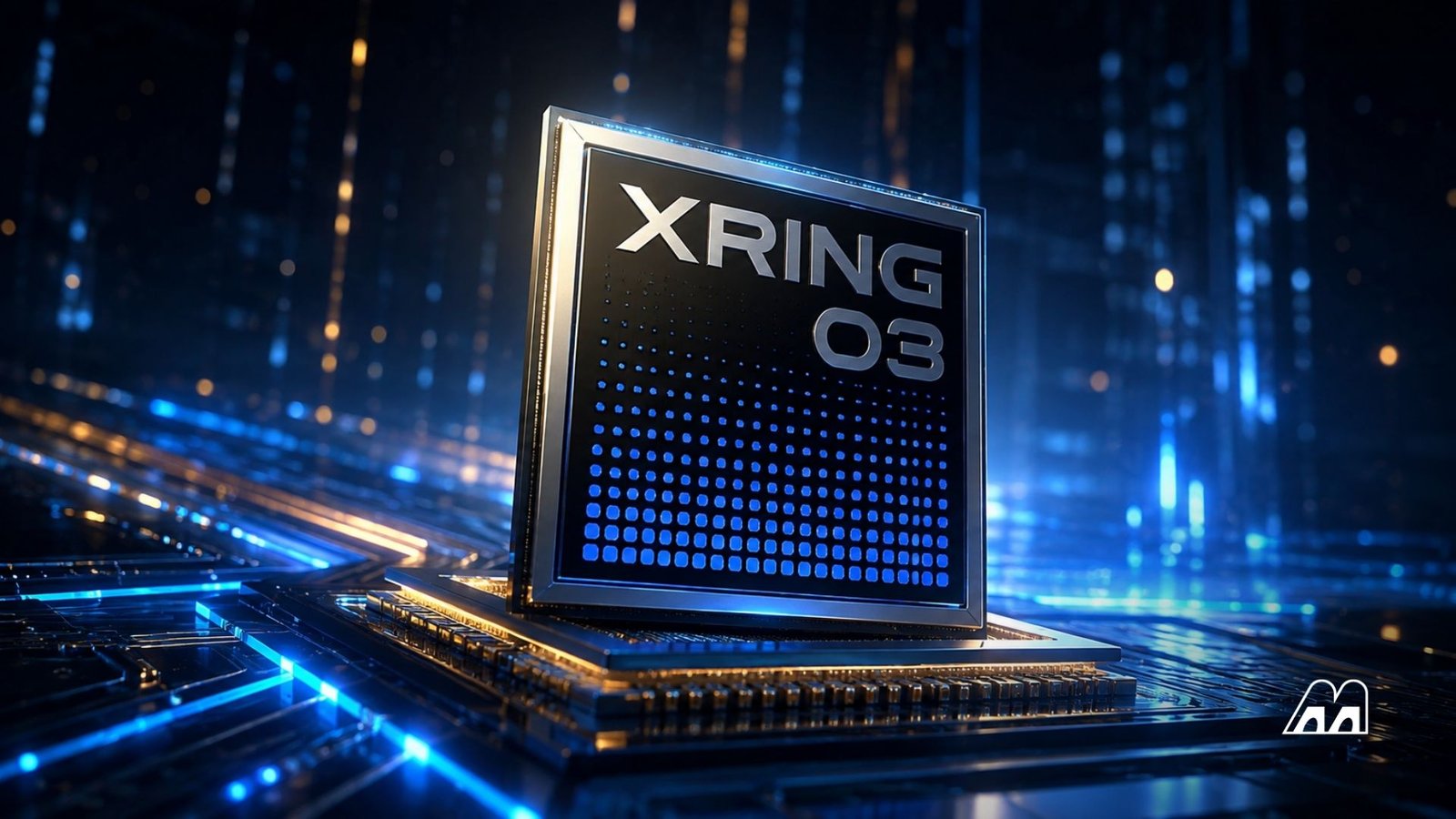
Xiaomi Xring O3: New 3nm Smartphone Chip Could Challenge Apple and Samsung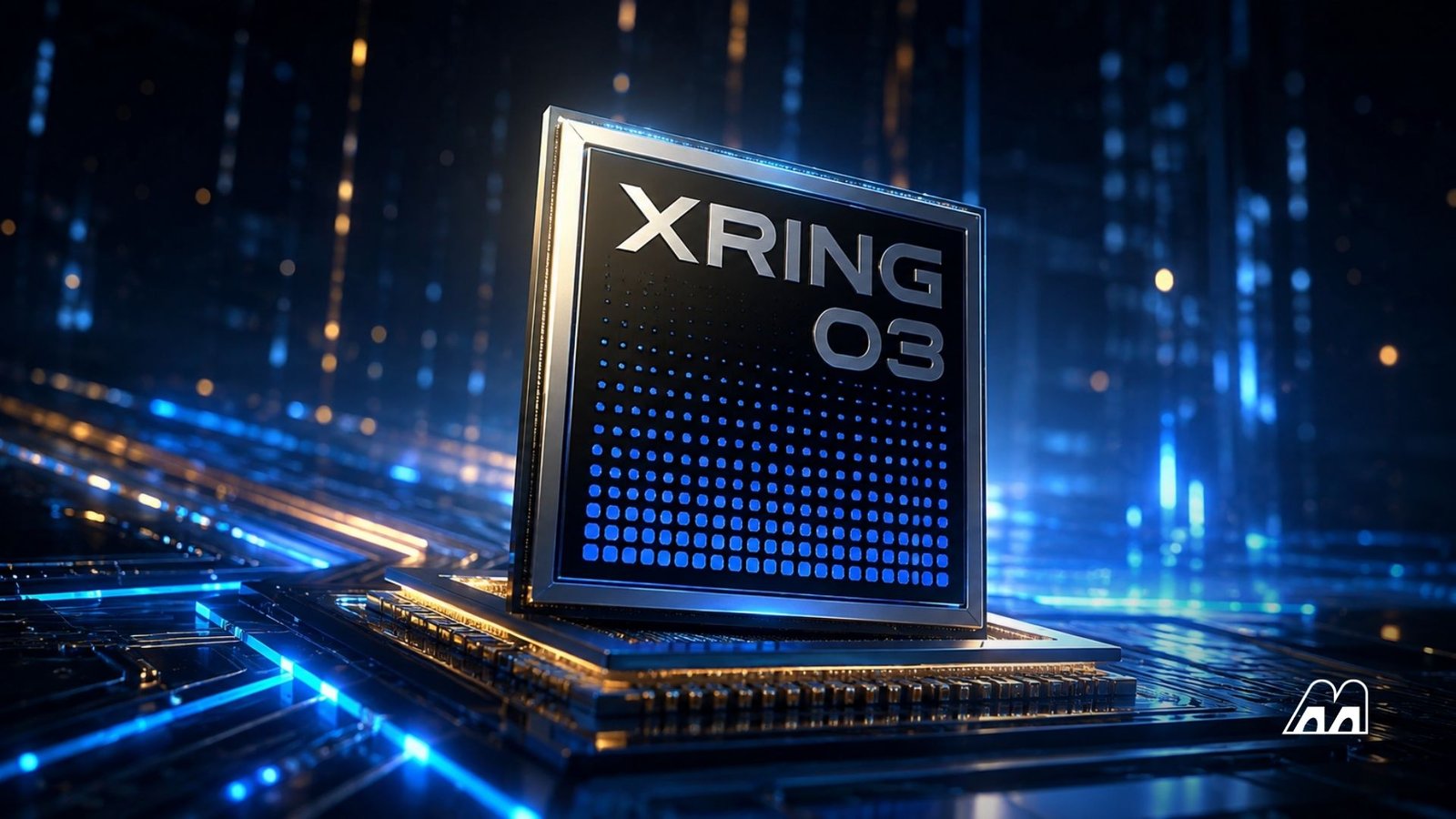
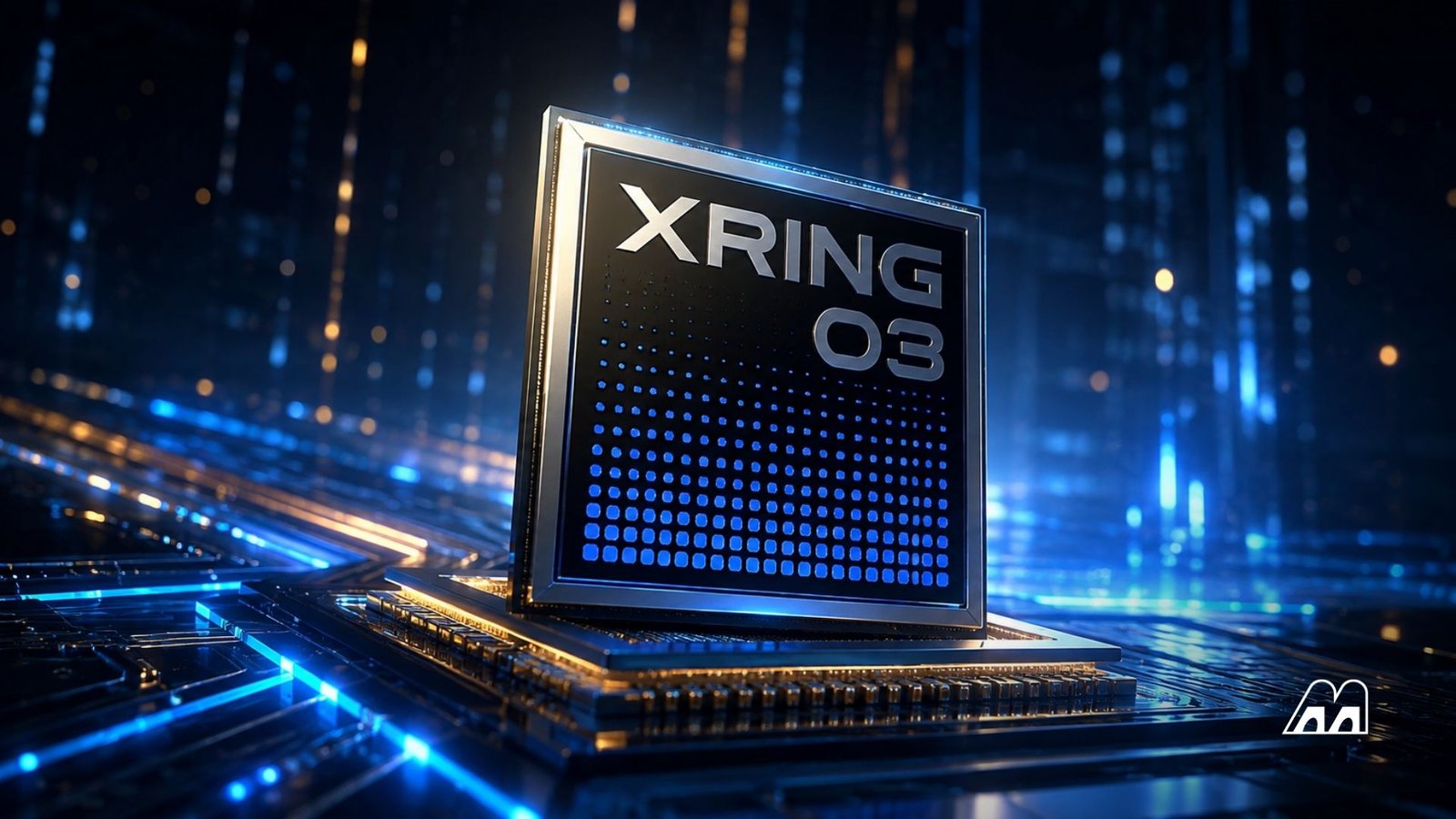
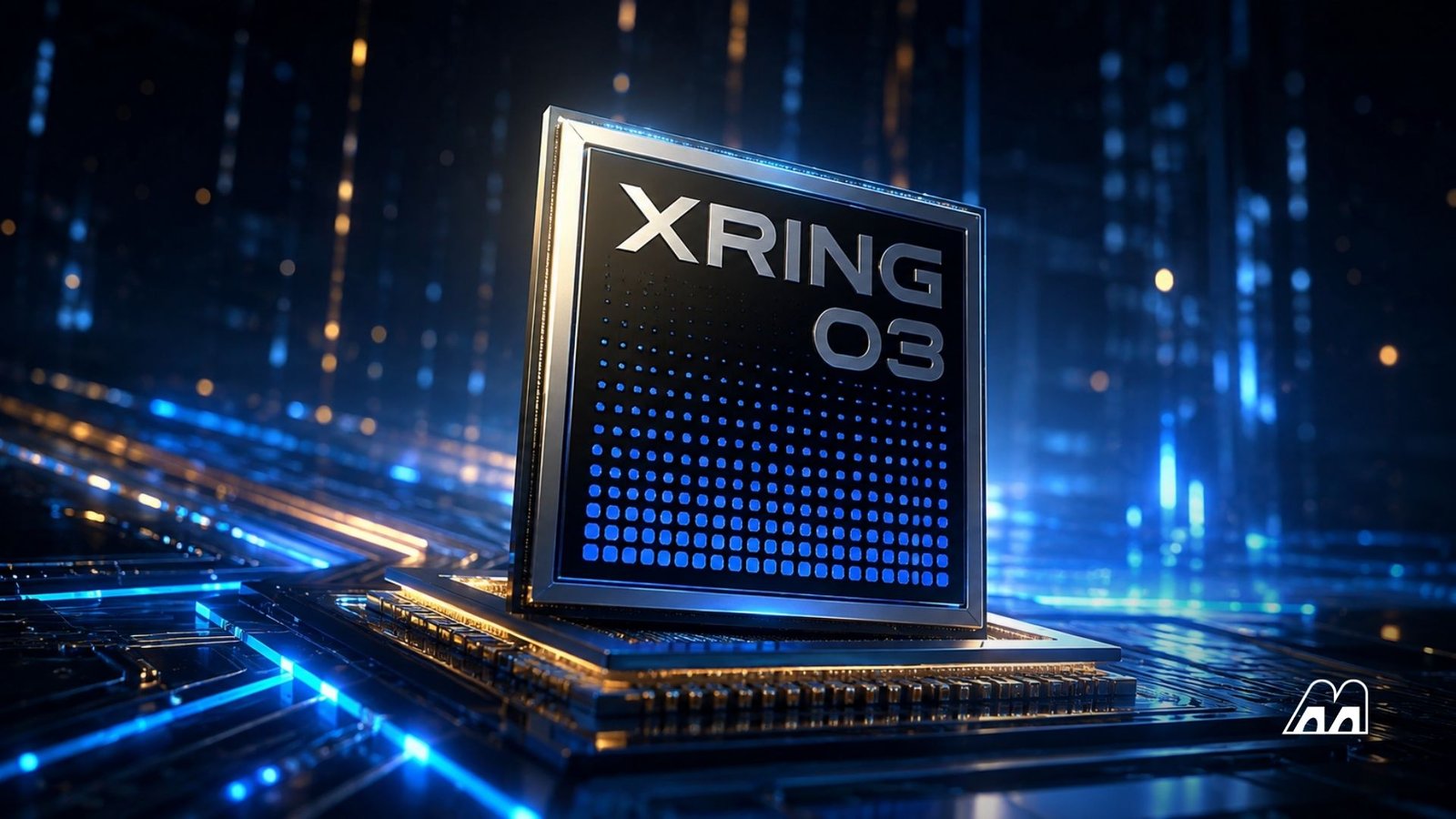
The official unveiling of Xiaomi's new Xring O3 smartphone processor is yet another significant milestone in the company's expanding semiconductor ambitions. The new Xring O3 chip is built using an advanced 3nm manufacturing process and is designed to give Xiaomi greater control over the performance, AI capabilities and hardware integration of its flagship devices.
The launch is especially significant because Xiaomi is increasingly following Apple's path of developing its own smartphone processors rather than entirely relying on chip suppliers from other companies. Reuters reports that Xiaomi has invested more than 20 billion yuan in chip development and has expanded its semiconductor team to more than 3,000 people.
What Is Xiaomi Xring O3?
Xiaomi's most recent in-house flagship mobile System-on-Chip, or SoC, is the Xring O3. It combines major smartphone components including CPU processing, graphics, AI processing and other functions into a single chip.
The new processor represents Xiaomi's ongoing effort to develop its own silicon technology and succeeds the previous Xring generation. According to current reports, the Xring O3 uses a 3nm process and contains more than 24 billion transistors.
Xiaomi Xring O3 Chip
with 3nm The new processor's 3nm manufacturing technology is a major selling point. Manufacturers may be able to pack more transistors into a chip using smaller semiconductor processes, thereby potentially improving performance and power efficiency. Xiaomi's move to a 3nm flagship chip puts the Xring O3 into the same broad generation of advanced mobile silicon used by leading smartphone manufacturers.
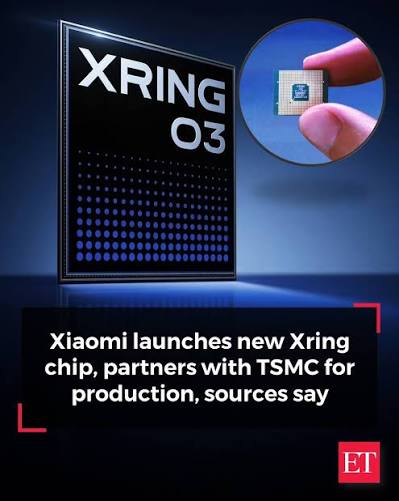
Reuters reports that the Xring O3 is being manufactured using TSMC's advanced 3nm technology.
Xring O3 Supports LPDDR6 Memory
Another major feature attracting attention is LPDDR6 memory support.
Current reports describe the Xring O3 as the first flagship mobile processor to support LPDDR6 memory.
Reported memory speeds can reach up to 10,667Mbps, while memory bandwidth is reported at approximately 113.8GB/s.
Higher memory bandwidth can be particularly useful for demanding smartphone applications, gaming, photography, AI processing and multitasking.
Xiaomi Xring O3 Specifications
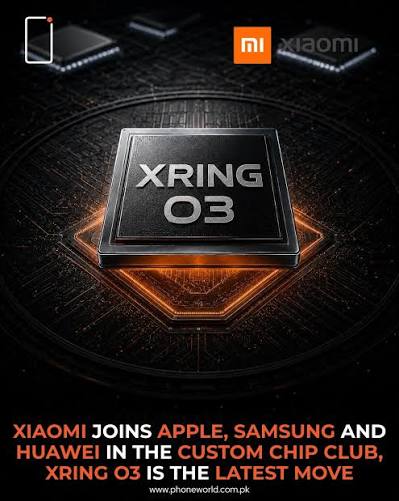
24 billion transistors or more 10-core CPU design
Arm C1-series CPU cores
Arm GPU architecture of the future LPDDR6 memory support
Memory speeds of up to 10,667 Mbps Approximately 113.8GB/s memory bandwidth
AI processing capabilities
Designed for flagship Xiaomi devices
Some performance figures should not be considered independent laboratory measurements because they are Xiaomi's own claimed benchmark results.
Xring O3 AnTuTu Score
The new chip's AnTuTu performance is one of its most intriguing claims. Recent reports say Xiaomi claims the Xring O3 achieved around 5.22 million points on AnTuTu V11.
If independently reproduced under comparable testing conditions, that would make it one of the highest-performing mobile processors currently discussed.
However, since software, temperature, device configuration, and testing conditions can all affect benchmark results, real-world performance will be more important than a single benchmark number.
Xring O3 CPU Performance
There are ten Arm C1-series CPU cores in the Xring O3. Current benchmark reports cite claimed Geekbench results of approximately 3,945 in single-core and 15,221 in multi-core testing.
According to these figures, Xiaomi intends to target the smartphone market's highest-performing subset. Independent reviews will ultimately determine how the processor performs against competing flagship chips in sustained workloads, gaming and everyday use.
Xring O3 GPU Performance
Graphics performance is another important part of the new Xiaomi processor.
The Xring O3 reportedly uses Arm's newer G2-Ultra NX GPU architecture, giving the chip a stronger focus on high-end graphics performance.
This could make the processor particularly interesting for mobile gaming and demanding graphical applications
Xiaomi Xring O3 vs Apple Chips
The most important question is whether Xiaomi is able to seriously challenge Apple's strategy of using custom silicon. Apple has built a strong reputation for designing its own processors and tightly integrating them with iOS and its hardware.
Xiaomi is now taking a similar direction by investing heavily in its own semiconductor technology.
However, comparing the Xring O3 directly with Apple's latest chip based only on benchmark numbers would be premature.
The combination of processor design, operating system optimization, software ecosystem, and long-term chip development gives Apple an advantage. Xiaomi's growing investment shows that the company wants to compete at this level.
Xiaomi Xring O3 vs Samsung
Samsung is another significant rival in the semiconductor market for smartphones. Samsung has a lot of experience designing and producing chips thanks to its work on semiconductor technologies and smartphones. The Xring O3 demonstrates Xiaomi's efforts to reduce reliance on third-party processors. The smartphone chip market may become more competitive as a result, especially in the premium Android market.
Xiaomi Reduces Dependence on Qualcomm and MediaTek
One of the biggest strategic reasons behind the Xiaomi Xring O3 is greater control over smartphone hardware.
Many Android manufacturers traditionally depend on companies such as Qualcomm and MediaTek for flagship and mid-range processors.
Xiaomi may be able to jointly optimize hardware and software by developing its own chips, giving it greater control over product features. Reuters says the Xring O3 is part of Xiaomi's strategy to reduce reliance on third-party chip providers.
Xiaomi Xring O3 and AI
Xiaomi's chip strategy is not limited to smartphones.
The company has also introduced the Xring O100, an AI-focused neural processing chip designed to support Xiaomi's MiMo AI model.
Another chip, the Xring D100, is being developed for autonomous driving.
This suggests that Xiaomi is expanding its semiconductor ecosystem to include smartphones, AI, and electric vehicles.
Xiaomi Xring O100 and Xring D100
In addition to the Xring O3, Xiaomi is expanding its own chip lineup. Xring O3 focuses on flagship smartphones.
Xring O100 is designed for AI processing.
Intelligent driving and automotive applications are the primary goals of the Xring D100. Together, these products show that Xiaomi's semiconductor ambitions extend beyond mobile phones.
Xiaomi 18 Fold With Xring O3
The new processor is expected to power Xiaomi's upcoming Xiaomi 18 Fold flagship foldable smartphone.
The Xiaomi 18 Fold is expected to be available for preorder in China in September, according to current reports. As a result, the phone provides Xiaomi with a significant opportunity to demonstrate the Xring O3's practical capabilities.
Xiaomi Xring O3 and Xiaomi 18 Fold
 The combination of a new 3nm processor and a flagship foldable phone makes the Xring O3 launch particularly interesting.
Foldable smartphones require efficient processors because they combine large displays, demanding multitasking workloads and complex hardware into a relatively compact design.
Therefore, it's possible that Xiaomi's premium foldable strategy will include the Xring O3.
Why Xring O3 Matters for Xiaomi
The Xring O3 is more than just another processor for smartphones. It exemplifies Xiaomi's attempt to exert greater control over the technology supply chain. The company has significantly increased its semiconductor workforce and invested billions of yuan in chip development. If Xiaomi can successfully scale its custom chips across more devices, it could reduce dependence on external suppliers and create deeper integration between its hardware and software.
Will Xring O3 Challenge Apple and Samsung?
Beyond benchmark scores, other factors will influence the response. Xiaomi needs to prove that its processor can deliver:
High sustained performance
Powerful battery performance Reliable management of the heat Powerful AI processing
Excellent gaming performance
Optimizing software in a stable way Large-scale production
The Xring O3 is a significant step, but Xiaomi will need several generations of processors to compete with Apple and Samsung's semiconductor strategies in the long run.
Xring O3 Could Change Android Smartphones
Other Android manufacturers may also increase their investments in custom silicon if Xiaomi is successful in developing high-performance in-house processors. That could lessen our reliance on a select few major chip suppliers. Higher levels of competition could eventually result in faster smartphones, more advanced AI capabilities, and specialized hardware for customers.
Xiaomi Xring O3 Release Date
In August 2026, Xiaomi unveiled the Xring O3. It is anticipated that the processor will be included in upcoming flagship Xiaomi devices, such as the Xiaomi 18 Fold. According to current reports, the Xiaomi 18 Fold will go on sale in China in September 2026.
Xiaomi Xring O3 Price
Since the Xring O3 itself is not sold as a separate consumer product, its retail price is not different. The price of Xiaomi smartphones and other processor-based devices includes its cost. The final price of the Xiaomi 18 Fold and its international availability will determine how consumers can experience the new chip.
Xiaomi Xring O3: Key Features
The most important aspects of the Xring O3 that have been reported so far are as follows: Chip technology of 3 nm 24 billion transistors or more A 10-core CPU Arm CPU architecture of the C1 series Advanced GPU for Arm LPDDR6 assistance Memory speeds of up to 10,667 Mbps Around 113.8GB/s memory bandwidth
Leading smartphone features AI processing capabilities
Xiaomi's own in-house silicon design
Final Verdict
One of the company's most ambitious semiconductor developments to date is the Xiaomi Xring O3. Xiaomi's integration into upcoming flagship hardware, 3nm manufacturing technology, LPDDR6 support, and high claimed benchmark performance show that it wants more control over its smartphone technology. Although the chip does not automatically make Xiaomi a rival to Apple or Samsung in every way, it is a significant step toward that goal. When devices powered by the Xring O3 are available to consumers and independent reviewers are able to evaluate performance, battery life, thermals, and AI capabilities, the real test will take place. However, the message to Xiaomi is clear: the company is no longer content to solely rely on smartphone processors from third parties.

Comments (0)