
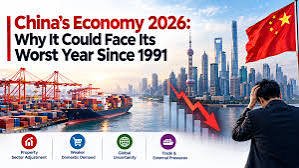
China Economy 2026: Beijing Steps Up Support as Domestic Demand Weakens
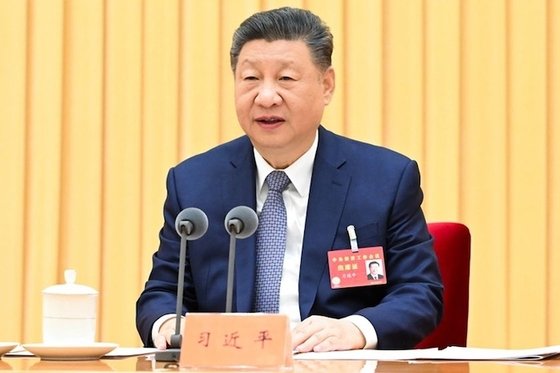
China is increasing government support for its economy as policymakers face continuing pressure from weak domestic demand, a struggling property market and uneven investment. Although the world's second-largest economy recorded 4.5% growth in the third quarter of 2026, the latest figures show that stronger exports and industrial production are doing much of the work while household consumption remains relatively weak.
Beijing is now focusing on measures designed to encourage consumer spending, support businesses, reduce financial pressure on homebuyers and increase investment in important industries. The challenge is to make economic growth more balanced and less dependent on overseas demand.
China’s Economy Grows 4.5% in the Third Quarter
China's National Bureau of Statistics reported that the country's gross domestic product (GDP) increased by 4.5% year-on-year in the July-September period of 2026.
This was an improvement from the 4.3% growth recorded in the second quarter. The economy expanded by 4.6% during the first nine months of the year.
The figures put China broadly on track to achieve its official full-year economic growth target of 4.5% to 5%.
However, the headline growth figure does not tell the whole story. The performance of different sectors remains uneven, with manufacturing and exports showing greater strength than several areas of domestic activity.
Weak Consumer Demand Remains a Major Concern
One of Beijing's biggest economic challenges is encouraging households to spend more.
Retail sales, an important indicator of consumer demand, increased by only 1.1% year-on-year in September. Although sales increased by 2.6% during the first nine months of 2026, the relatively modest pace highlights the difficulties facing domestic consumption.
Consumers may remain cautious because of concerns about employment, income growth, housing values and future economic conditions.
When households feel uncertain about their financial situation, they often reduce unnecessary purchases and increase savings. This can affect businesses, retailers, restaurants and service providers.
For China, stronger household spending is important because it can create a more sustainable source of economic growth.
Beijing Announces More Support for Domestic Demand
Chinese policymakers have promised additional efforts to increase domestic consumption.
On October 20, the National Development and Reform Commission said the government would introduce stronger and more effective measures to expand domestic demand.
The announced priorities include increasing public-service spending, improving policies that directly benefit consumers and encouraging purchases of goods such as new energy vehicles and smart products.
The government also said it would promote investment in infrastructure, technology and human capital.
These measures are intended to support both household spending and long-term economic development.
Financial Support and Consumer Subsidies
China has already introduced several financial measures during 2026.
According to the Ministry of Finance, authorities allocated 125 billion yuan in subsidies for consumer goods trade-in programmes by the end of June. These programmes helped generate approximately 1.1 trillion yuan in sales.
The government has also introduced interest subsidies for certain personal consumption loans and financing for small businesses.
Another measure focuses on eligible first-time homebuyers. A mortgage interest subsidy programme that took effect on October 1 provides an annualised interest subsidy of one percentage point on qualifying commercial mortgages for first homes, subject to the programme's conditions.
The aim is to reduce borrowing costs and provide additional support to housing demand.
Property Market Continues to Weigh on Growth
China's property sector remains one of the most important challenges for the economy.
The prolonged housing downturn has affected property developers, construction companies, local government finances and household confidence.
For many households, property represents a major part of personal wealth. When housing prices and market activity remain under pressure, consumers may become less willing to spend money elsewhere.
The weakness also affects industries connected with construction, including building materials, furniture, household appliances and related services.
Government support for homebuyers may help improve confidence, but restoring the property market will likely require more than short-term financial incentives.
Exports and Manufacturing Provide Support
While domestic demand faces difficulties, China's export sector continues to provide important support.
Strong international demand for technology-related products, electronics and manufacturing goods has helped Chinese factories maintain activity.
Industrial production increased by 5.5% year-on-year in September, according to figures reported following the release of the third-quarter economic data.
Demand connected with artificial intelligence and advanced technology has also supported some manufacturing sectors.
However, relying heavily on exports creates risks. Changes in global demand, international trade restrictions and competition from other economies could affect China's export performance.
A stronger domestic market would help reduce the economy's dependence on overseas buyers.
Investment and Infrastructure Plans
Beijing is also directing resources toward infrastructure and emerging industries.
The National Development and Reform Commission has highlighted 109 major projects under China's 15th Five-Year Plan for 2026-2030.
The investment priorities include water systems, electricity networks, computing infrastructure, communications, underground urban pipelines and logistics networks.
The government is also supporting technology innovation, industrial upgrading and modern services.
Investment in high-tech industries increased by 4.9% during the first nine months of 2026, while investment in intellectual property products rose by 9.3%, according to official figures.
These areas could become important drivers of future economic growth.
Why China's Economic Situation Matters to the World
China is one of the world's largest trading nations, making its economic performance important for international markets.
A slowdown in Chinese consumer demand can affect exporters that sell products to Chinese households and businesses. At the same time, changes in Chinese manufacturing and investment can influence demand for raw materials, machinery, energy and industrial components.
For developing economies, including Pakistan, China's economic policies can also have implications for trade, investment and regional supply chains.
Stronger Chinese domestic demand could create additional opportunities for international exporters. However, weak consumption and a prolonged property slowdown could limit the benefits.
Can Beijing's Support Measures Improve Growth?
The effectiveness of China's economic support will depend on how quickly policies reach households and businesses.
Financial assistance, consumer subsidies and lower borrowing costs can provide short-term support. However, long-term improvement may require stronger household confidence, more stable employment, better income expectations and a healthier property market.
Businesses also need confidence that consumer demand will remain strong enough to justify new investment and hiring.
If households continue to save rather than spend, government support may not produce the level of domestic demand policymakers want.
What to Expect From China's Economy in the Coming Months
China's economic direction will remain an important issue during the final months of 2026.
Policymakers are expected to focus on maintaining growth, supporting household consumption, stabilising investment and managing risks in the property sector.
The government will also need to monitor international trade conditions and the performance of technology-related exports.
The balance between domestic consumption and export growth will be especially important as China moves toward 2027.
Conclusion
China's economy recorded 4.5% growth in the third quarter of 2026, keeping the country broadly on track to meet its annual growth target. However, weak retail sales, falling fixed-asset investment and continued property-sector pressure show that important challenges remain.
Beijing is responding with fiscal support, consumer subsidies, mortgage assistance and investment programmes focused on infrastructure and technology.
The long-term success of these measures will depend on whether they can improve household confidence and encourage sustainable domestic spending. Stronger consumer demand will be essential if China wants to build a more balanced economy in the years ahead.

Comments (0)