
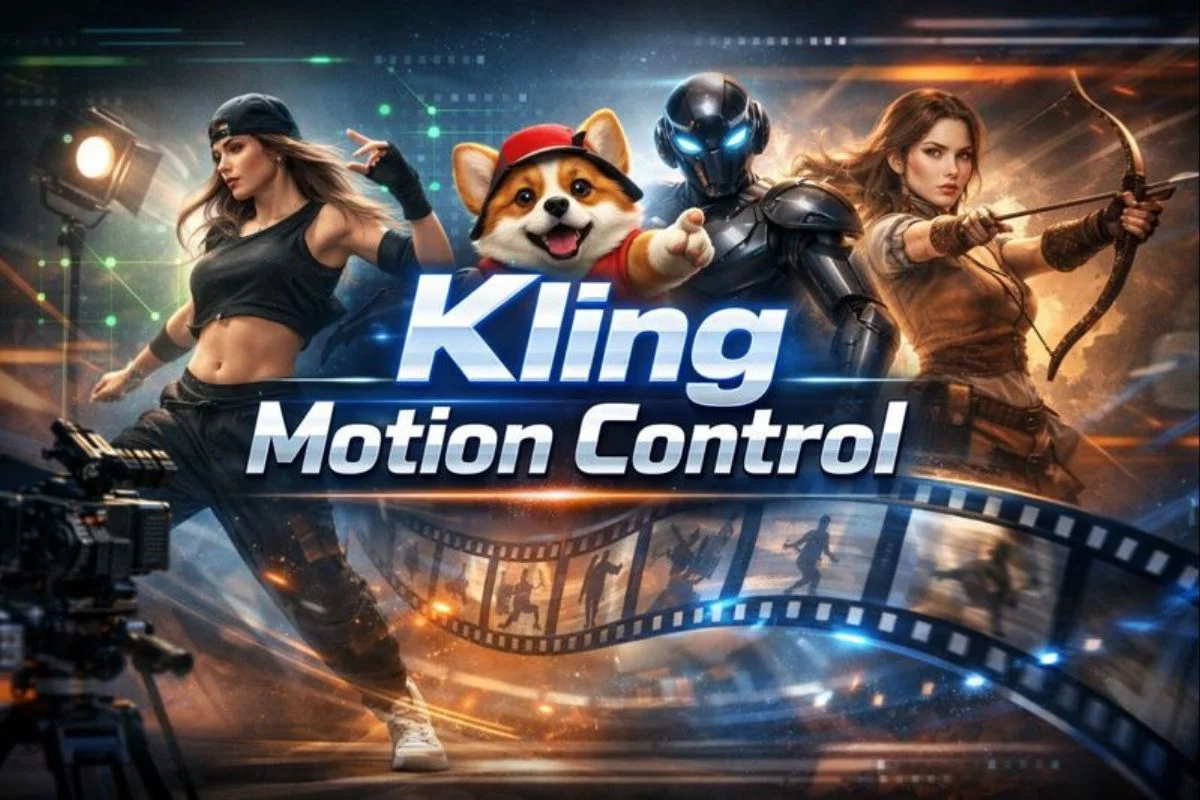
Kling 4.0: New AI Video Generator Brings 30-Second Videos, Better Control and 4K HDR
Kling AI has announced its next-generation Kling 4.0 AI video model, bringing major upgrades for creators who use artificial intelligence to generate videos. The new version is designed to provide longer native video generation, stronger reference control, improved motion and higher-quality output.
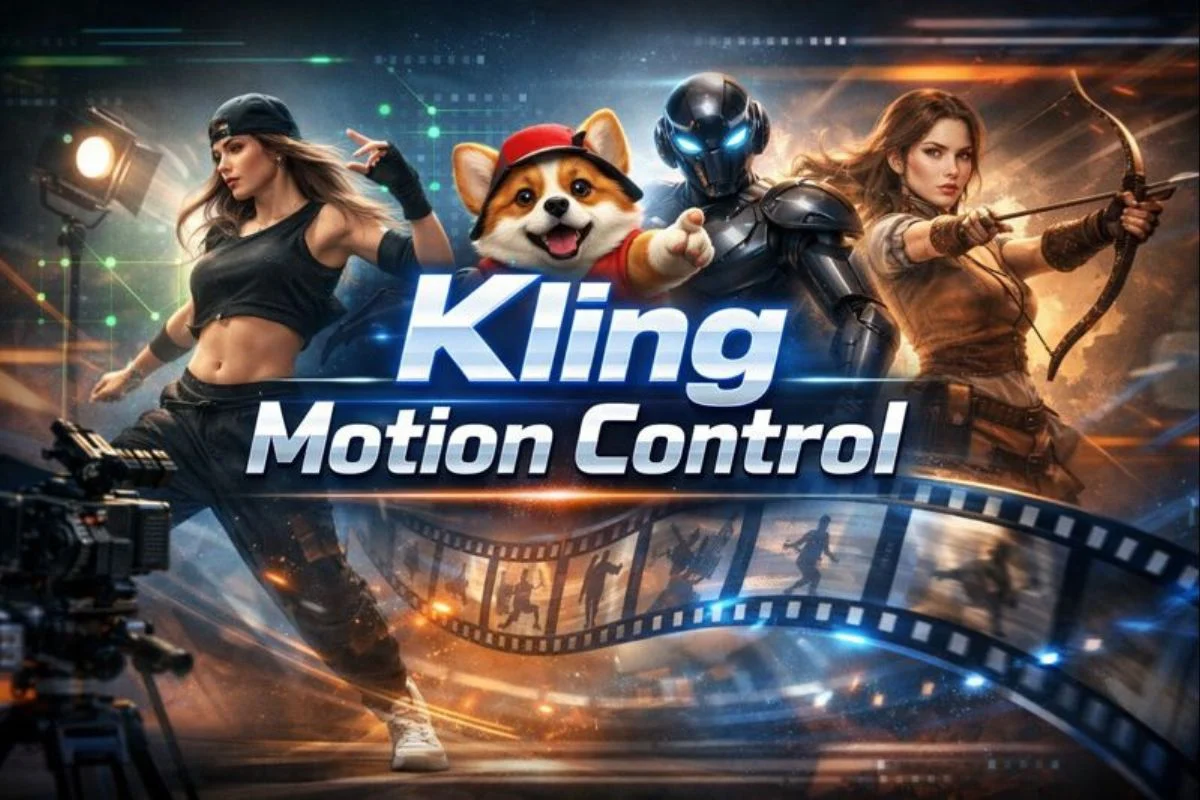
The full Kling 4.0 release is scheduled for October 2026, while Kling 4.0 Flash has already entered early access for eligible subscribers. The announcement has quickly attracted attention among AI video creators and technology users.
What Is Kling 4.0?
Kling 4.0 is the latest generation of Kling AI's video-generation technology.
Kling has developed its platform around text-to-video and image-to-video generation, allowing users to describe a scene or provide images and create AI-generated video content.
The new 4.0 generation focuses on three major areas: visual quality, creative control and longer storytelling.
According to reports about the launch, Kling 4.0 can generate a native video clip of up to 30 seconds in a single generation, which is a significant change for creators working on longer scenes.
Kling 4.0 Release Date
The full Kling 4.0 release is planned for October 2026.
Kling has already started early access for Kling 4.0 Flash, giving some users an opportunity to experience the new generation before the broader rollout.
Kling's own platform currently promotes early access to Kling 4.0 for Ultra Annual Subscription members.
Because the full public rollout is still ahead, availability and plan restrictions may change when Kling completes the launch.
Kling 4.0 Can Generate 30-Second Videos
One of the biggest changes is the longer native generation duration.
Kling 4.0 is reported to support videos of up to 30 seconds from a single generation, making it easier to create longer scenes without dividing every sequence into several short generations.
This could be particularly useful for filmmakers, YouTubers, advertisers and social-media creators who need continuous movement and storytelling.
Longer generation can also reduce the number of separate clips required for a scene, although the final result will still depend on the prompt, references and type of content being generated.
Up to 10 Keyframes for Better Control
Kling 4.0 also introduces multi-keyframe control with support for up to 10 keyframes.
Keyframes can help creators define how a scene should develop from one point to another.
For example, a creator could use different reference frames to guide a character's position, environment or visual progression during a longer scene.
This feature could be especially useful for AI filmmaking because maintaining continuity between different moments is one of the major challenges in generative video.
Up to 15 Multimodal References
Another major upgrade is the expanded reference system.
Reports indicate that Kling 4.0 can work with up to 15 multimodal references, giving creators more ways to guide the appearance and content of a generated video.
Reference-based generation can help users maintain important visual elements such as characters, objects, locations and overall scene direction.
This is particularly relevant for creators producing multi-scene stories where consistency matters.
4K and 10-Bit HDR Video
Kling 4.0 is also being promoted with high-quality output options, including 4K and 1080p video with 10-bit HDR.
Higher-resolution output can be useful for YouTube videos, advertisements, cinematic projects and other professional productions.
The 10-bit HDR capability is aimed at giving creators greater image-quality flexibility compared with standard video output.
Better Motion and Complex Camera Movement
Kling 4.0 is designed to improve the handling of complex movement and camera motion.
This matters because AI video generation can sometimes produce inconsistent motion when a scene contains several moving subjects, complicated camera movements or rapid changes.
The new generation is being presented as an improvement for large-scale movement and more demanding cinematic shots.
Improved Audio and Lip Sync
The reported Kling 4.0 feature set also includes stereo audio and improved lip synchronization.
Better audio-visual coordination can make generated characters feel more natural when they speak or interact within a scene.
Kling is also promoting support for multiple languages, accents and dialects, expanding the potential use of the platform for international creators.
Kling 4.0 Flash
Alongside the main model, Kling has introduced Kling 4.0 Flash.
The Flash version is designed for faster and more frequent creative workflows and has entered early access before the wider Kling 4.0 rollout.
According to current reporting, Kling 4.0 Flash is already available to eligible users, while the full Kling 4.0 model is expected in October.
What Can You Create With Kling 4.0?
Kling 4.0 can be relevant to a wide range of AI video projects.
Creators can use AI vi

Comments (0)