
Pakistan Current Affairs Today: Latest Political, Security and Economic Updates – September 29, 2026
Pakistan is facing several important developments on the political, security and economic fronts as the country enters the final days of September 2026. Recent developments include preparations for a political march in Islamabad, fresh security incidents in Khyber Pakhtunkhwa, economic discussions with the IMF, pressure from international oil prices and restrictions on public gatherings in Karachi.
This latest Pakistan current affairs update brings together some of the major developments reported on September 29, 2026, along with their possible impact on daily life, security and the economy.
Islamabad Security and Political Situation
Security preparations have increased in Islamabad ahead of a planned march by supporters of Pakistan Tehreek-e-Insaf (PTI).
Authorities have placed shipping containers on several major roads, particularly around routes leading towards the Red Zone, where Parliament, government offices and diplomatic missions are located.
The march was initially scheduled for September 27 but was postponed until October 4. Despite the postponement, many containers remain positioned on important routes, causing traffic disruption in Islamabad and nearby Rawalpindi.
The development has become an important current-affairs issue because road closures and security measures can affect commuters, businesses and access to important parts of the capital.
Fresh Security Incidents in Khyber Pakhtunkhwa
Security remains another major concern in Pakistan.
On September 28, gunmen on motorcycles attacked a vehicle carrying traffic police officers in Tank district, Khyber Pakhtunkhwa. Three police officers were killed and three others were wounded, according to an Associated Press report. No group had claimed responsibility for the attack at the time of reporting, although Pakistani authorities have suspected militant involvement.
The incident came shortly after another deadly attack in Dera Ismail Khan, where a suicide bombing at a police checkpoint and a subsequent attack on an ambulance resulted in multiple deaths and injuries. The Pakistani Taliban claimed responsibility for that attack.
These incidents have kept counterterrorism and security policy high on Pakistan's national agenda.
Security Operations Reported in KP and Balochistan
Pakistan's security agencies have also reported operations against suspected militants.
According to security sources cited by Dawn, security forces killed five suspected militants during an intelligence-based operation in Khyber Pakhtunkhwa and two others in Balochistan's Chagai district. Weapons and ammunition were reportedly recovered during the operations.
State institutions continue to describe counterterrorism operations as part of efforts to prevent militant attacks. Reports about casualties and affiliations in security operations are based on official or security-source accounts and can be subject to further investigation.
IMF Discussions and Pakistan's Economic Outlook
Economic policy remains another major issue for Pakistan.
Dawn reported on September 29 that an IMF delegation was meeting Pakistani finance and tax officials. Discussions include changes to procurement rules and other economic matters, while uncertainty remains around aspects of the sovereign wealth fund legislation.
The IMF programme remains important for Pakistan because the country continues to manage external financing needs, fiscal reforms and economic stabilization measures.
At the same time, elevated international oil prices are creating additional pressure on Pakistan's import bill.
Oil Prices Put Pressure on Pakistan's Economy
International oil prices have remained an important economic concern.
The Pakistan Stock Exchange opened the week lower amid geopolitical tensions and higher oil prices. The KSE-100 index closed at 170,425.62 points, down 339.60 points, or 0.20 percent, according to Dawn's market report.
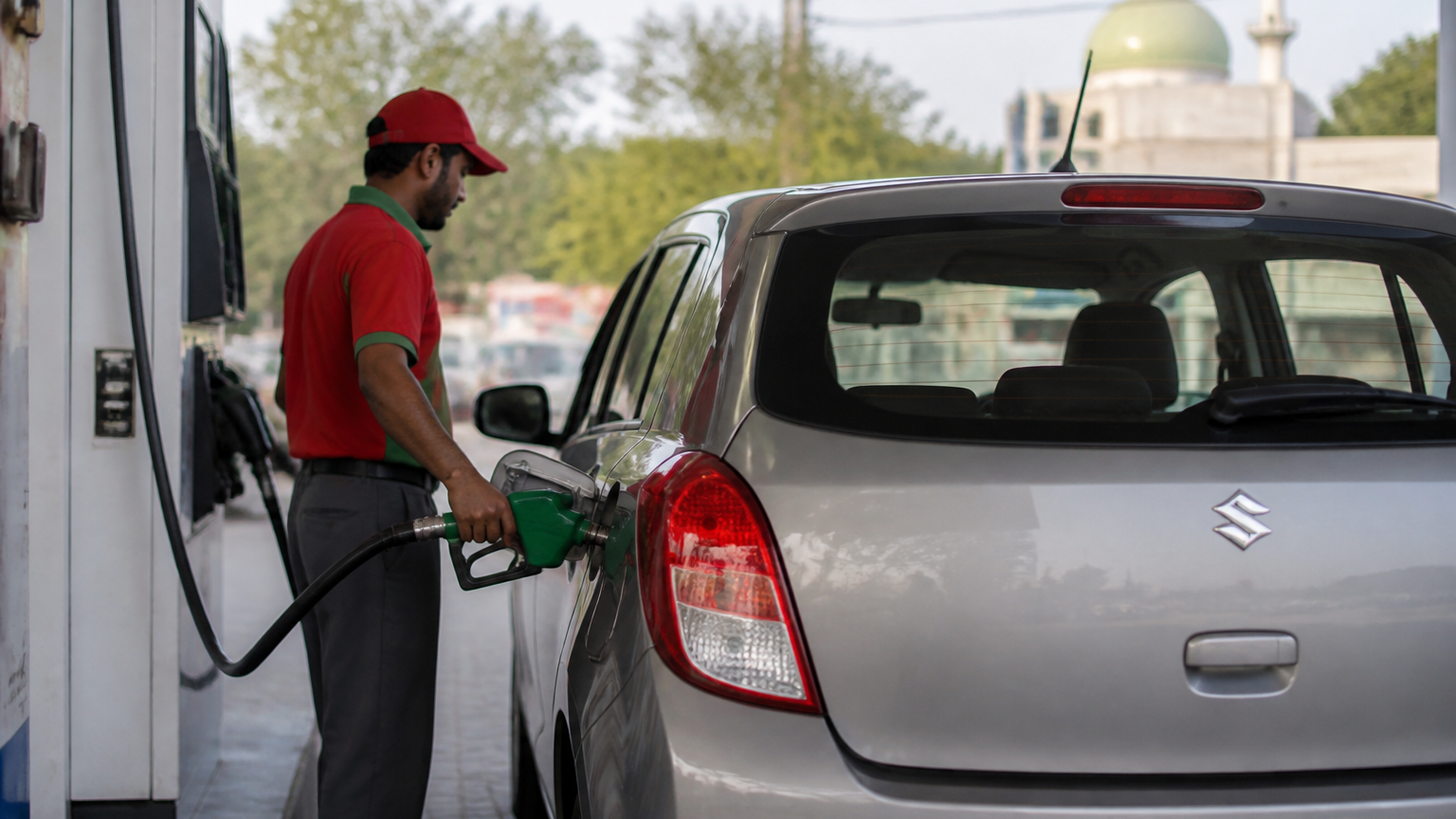
Brent crude was reported above $106 per barrel, increasing concerns about energy import costs and inflationary pressure in Pakistan.
Higher global oil prices can affect Pakistan through fuel costs, transportation expenses and the country's external account.
Karachi Section 144 Remains an Important Local Issue
Karachi has also seen increased restrictions on public gatherings.
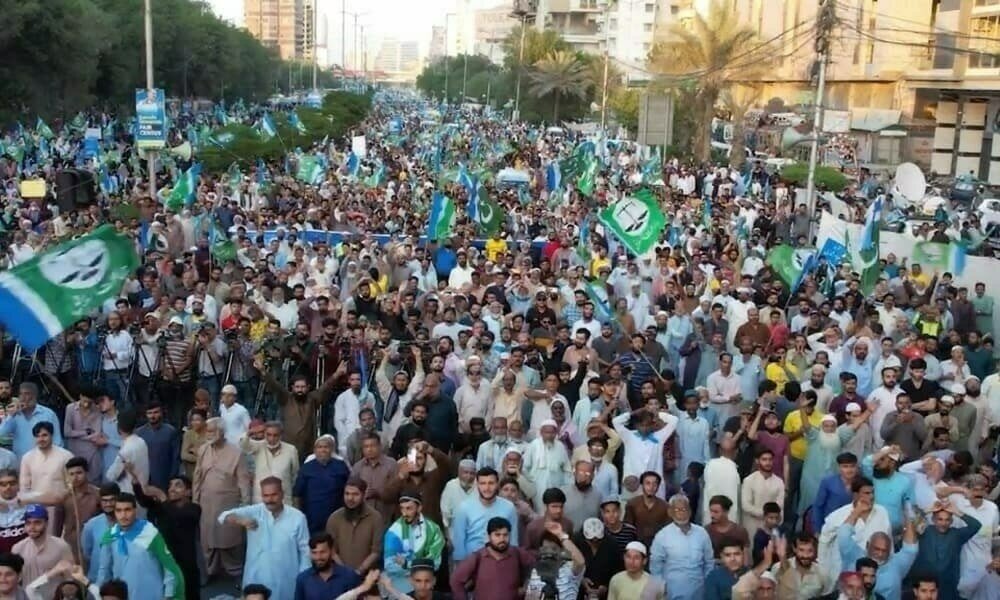
Authorities imposed Section 144 in Karachi through September 30, banning gatherings of more than five people. The notification cited concerns over protests, demonstrations, sit-ins and rallies on major roads and junctions, as well as traffic and security problems.
For Karachi residents, such restrictions can affect public gatherings and movement around areas where demonstrations or road blockages take place.
Residents should follow official notifications because restrictions and enforcement measures can change according to the security situation.
Wheat and Food Security Concerns
Pakistan is also preparing for the upcoming Rabi season.
The Ministry of National Food Security and Research is assessing water availability and rainfall forecasts for the Rabi season. At the same time, Pakistan has received multiple bids in a tender for wheat imports, according to recent business reporting.
The Trading Corporation of Pakistan received 12 bids for a tender involving 185,000 metric tons of wheat, with reported offers ranging from about $339 to $355 per ton.
Wheat availability is particularly important because it directly affects food prices and household expenses.
Government Focus on Tax Collection
Tax policy continues to be another major economic issue.
The Federation of Pakistan Chambers of Commerce and Industry has urged the government to extend the deadline for filing tax returns. Business groups have raised concerns about the filing process and the need to provide taxpayers with additional time.
At the same time, the Federal Board of Revenue has issued directions to Inland Revenue field formations regarding tax administration.
Tax collection and compliance remain central to Pakistan's fiscal reform efforts and its broader economic programme.
Pakistan and the US Afghanistan War Commission
Another important international development involves Pakistan's role in discussions about the Afghanistan conflict.
The United States Afghanistan War Commission has sought Pakistan's perspective as it reviews the two-decade-long Afghanistan war.
The commission also met Pakistan's military leadership. Pakistani officials have highlighted the country's role and sacrifices during the conflict.
The discussions are relevant because Pakistan's security and foreign-policy environment rem
Comments (0)