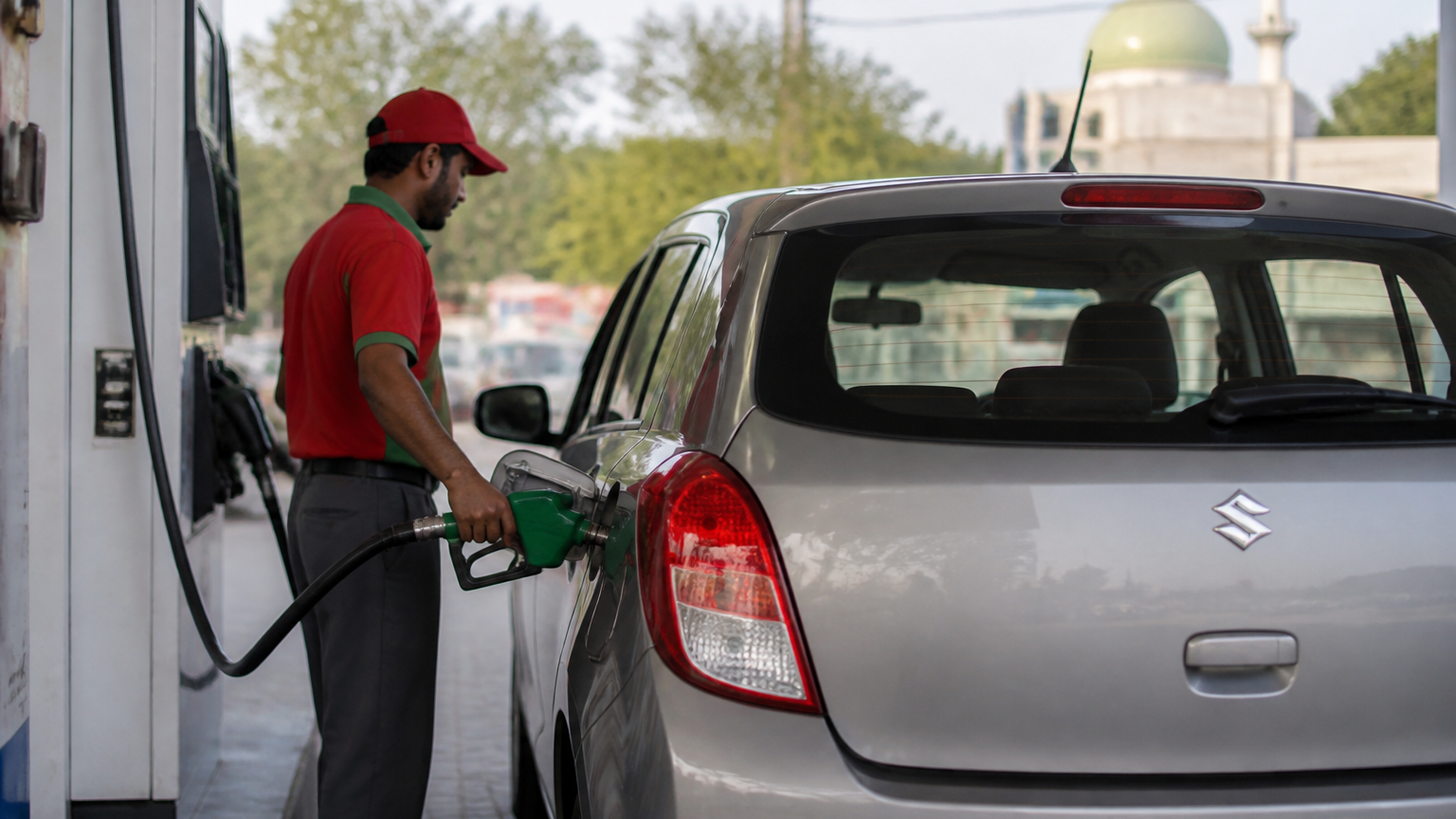
Pakistan’s fuel prices remain a major concern for households, commuters and small vehicle owners as international oil
prices continue to affect the domestic market. The government has introduced a targeted Petrol Relief Scheme 2026 to provide financial support to eligible consumers.
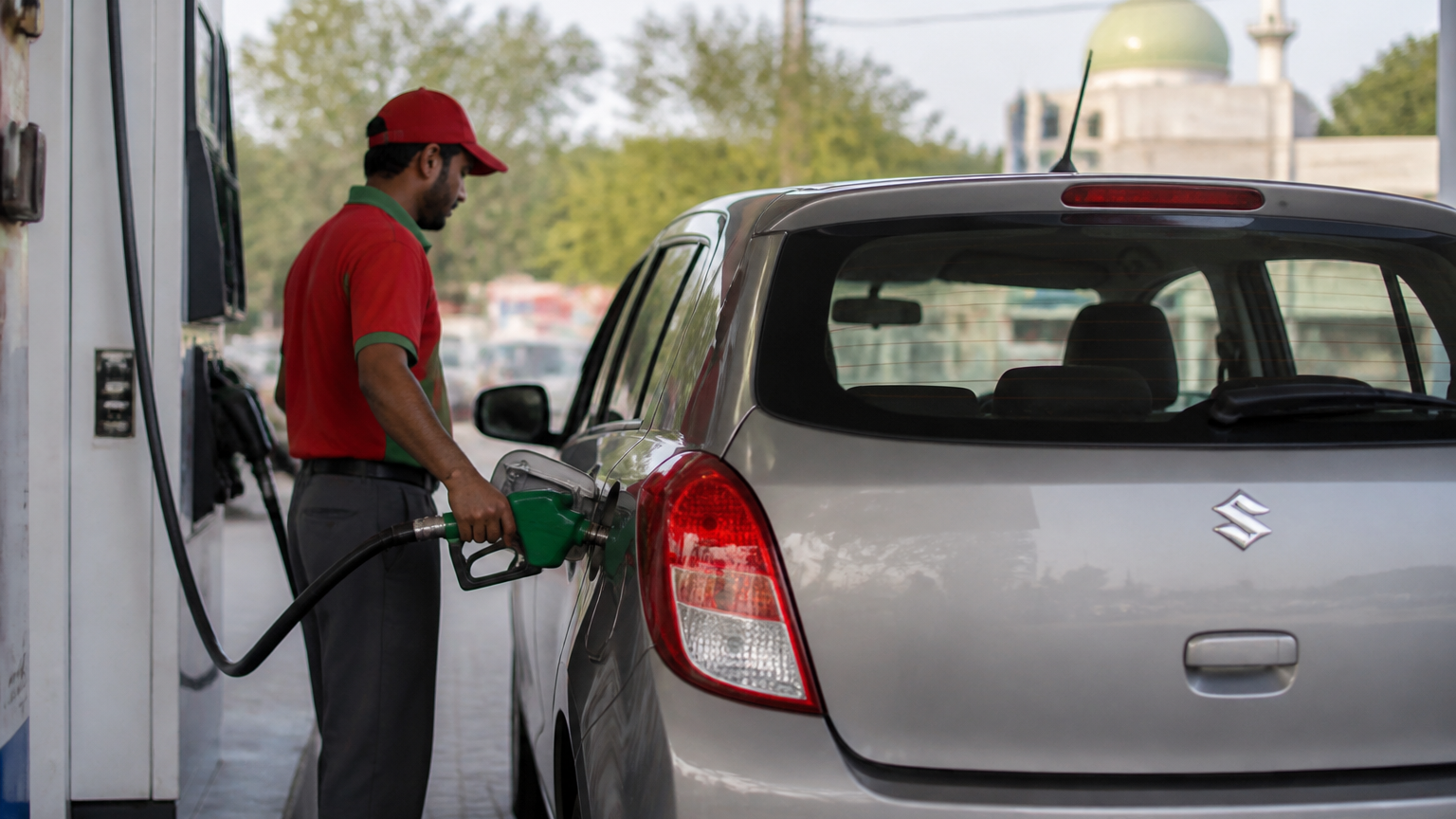
Under the scheme, eligible motorcycle, rickshaw, Qingqi and other two- and three-wheeler users can receive Rs100 per litre relief on petrol, while owners of vehicles with engines up to 800cc are also included within specified monthly limits.
At the same time, the government has revised the regular petrol price. From September 29, 2026, petrol is priced at Rs389.03 per litre, down Rs2.27 from Rs391.30. High-speed diesel has also been reduced by Rs3.56 to Rs404.97 per litre.
What Is the Petrol Relief Scheme?
The Prime Minister’s Fuel Relief Scheme was introduced after a sharp increase in global oil prices and concerns about the impact of expensive fuel on ordinary consumers.
The government announced relief of Rs100 per litre for eligible users. The scheme is targeted rather than a general reduction in the pump price for everyone.
For two- and three-wheelers, the announced monthly limit is 20 litres, meaning eligible users can receive up to Rs2,000 in monthly petrol relief. Owners of cars with engines up to 800cc can receive the relief on up to 30 litres per month, equivalent to a maximum Rs3,000 monthly benefit.
Who Is Eligible for Rs100 Petrol Relief?
The scheme covers eligible users of:
- Motorcycles
- Rickshaws
- Qingqi rickshaws
- Other eligible two- and three-wheelers
- Cars with engines up to 800cc
The scheme is designed as targeted assistance, with eligibility and vehicle information handled through the government’s registration and digital fuel-pass mechanism.
Latest Petrol Price in Pakistan
The latest official revision effective September 29, 2026, reduced petrol by Rs2.27 per litre.
Current petrol price: Rs389.03 per litre
Previous petrol price: Rs391.30 per litre
Reduction: Rs2.27 per litre
The price of high-speed diesel was reduced from Rs408.53 to Rs404.97 per litre. According to the Petroleum Division, the latest revision was linked to changes in international Platts rates, premiums and other related costs.
How Much Relief Can Eligible Consumers Receive?
The Rs100-per-litre assistance is subject to monthly limits.
For an eligible motorcycle or two-/three-wheeler user, the announced limit of 20 litres means the maximum monthly relief can reach Rs2,000.
For an eligible vehicle up to 800cc, the announced 30-litre monthly limit means the maximum relief can reach Rs3,000.
The actual benefit depends on eligibility and the applicable scheme rules.
Government Allocates Funds for Fuel Relief
The Economic Coordination Committee approved Rs75 billion for the Prime Minister’s Fuel Relief Scheme. The approved mechanism was designed to provide targeted assistance to lower-income segments affected by higher petroleum prices.
The government has also worked with petrol dealers and relevant departments to make sure the relief reaches eligible consumers at fuel stations.
The Petroleum Division reported that payments had already been made to more than 8,500 petrol stations participating in the scheme as of September 24, while arrangements were being made to ensure uninterrupted fuel supplies.
Petrol Relief Scheme Registration and Implementation
The government initially launched the scheme in Islamabad before expanding it nationwide. The Ministry of Information and Broadcasting said the scheme was scheduled for nationwide rollout from the night of September 16, 2026.
The government has also made changes to the registration process, including removing SMS charges, according to reports on the scheme's implementation.
Consumers should use official government information when checking registration requirements and should be careful with unofficial websites or messages asking for sensitive personal or financial information.
Why Petrol Prices Remain a Major Issue in Pakistan
Pakistan's domestic fuel prices are influenced by international oil prices, exchange-rate movements, petroleum taxes and other components of the pricing mechanism.
Recent global tensions have contributed to volatility in energy markets. The government has also introduced austerity measures to conserve fuel amid concerns over rising petroleum costs and energy supply pressures.
For ordinary consumers, higher petrol prices can affect daily commuting as well as transportation costs for goods and services.
What Happens Next?
The future cost of petrol in Pakistan will depend partly on international oil market conditions and the government's pricing decisions.
The fuel relief scheme is separate from the normal petrol price revision. Therefore, an eligible consumer may receive the targeted Rs100-per-litre relief even though the official pump price remains subject to regular government revisions.
As of September 29, 2026, the official petrol price is Rs389.03 per litre, while the targeted relief programme continues for eligible consumers under its specified conditions.
Conclusion
Pakistan’s Petrol Relief Scheme 2026 is providing targeted assistance of Rs100 per litre to eligible motorcycle, rickshaw, Qingqi and small-car users within monthly limits.
Meanwhile, the latest government revision has reduced the regular petrol price to Rs389.03 per litre from September 29.
Consumers should check official government channels for the latest registration, eligibility and fuel-relief information because scheme rules and fuel prices can change.
Source references: Pakistan Petroleum Division
Comments (0)