
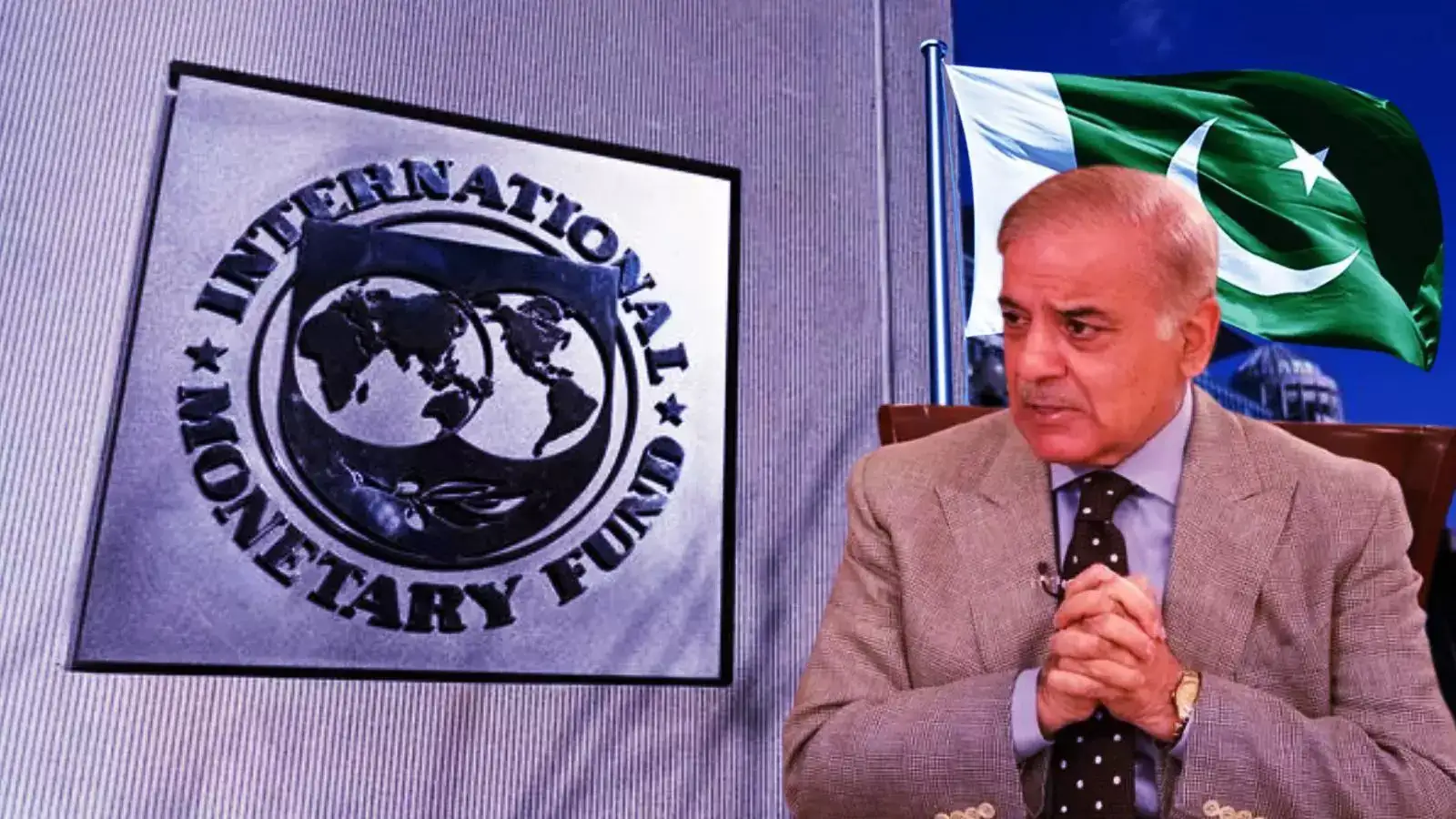
Pakistan IMF Talks 2026: What the Latest Review Means for Pakistan’s Economy
Pakistan and the International Monetary Fund have started another important review of the country’s economic programme, putting the Pakistan IMF talks back in focus.
The IMF mission is conducting discussions with Pakistani authorities for the fourth review of the $7 billion Extended Fund Facility (EFF). The current review comes at a time when Pakistan is dealing with inflation, energy costs, external financing requirements and pressure on its economic reform programme.
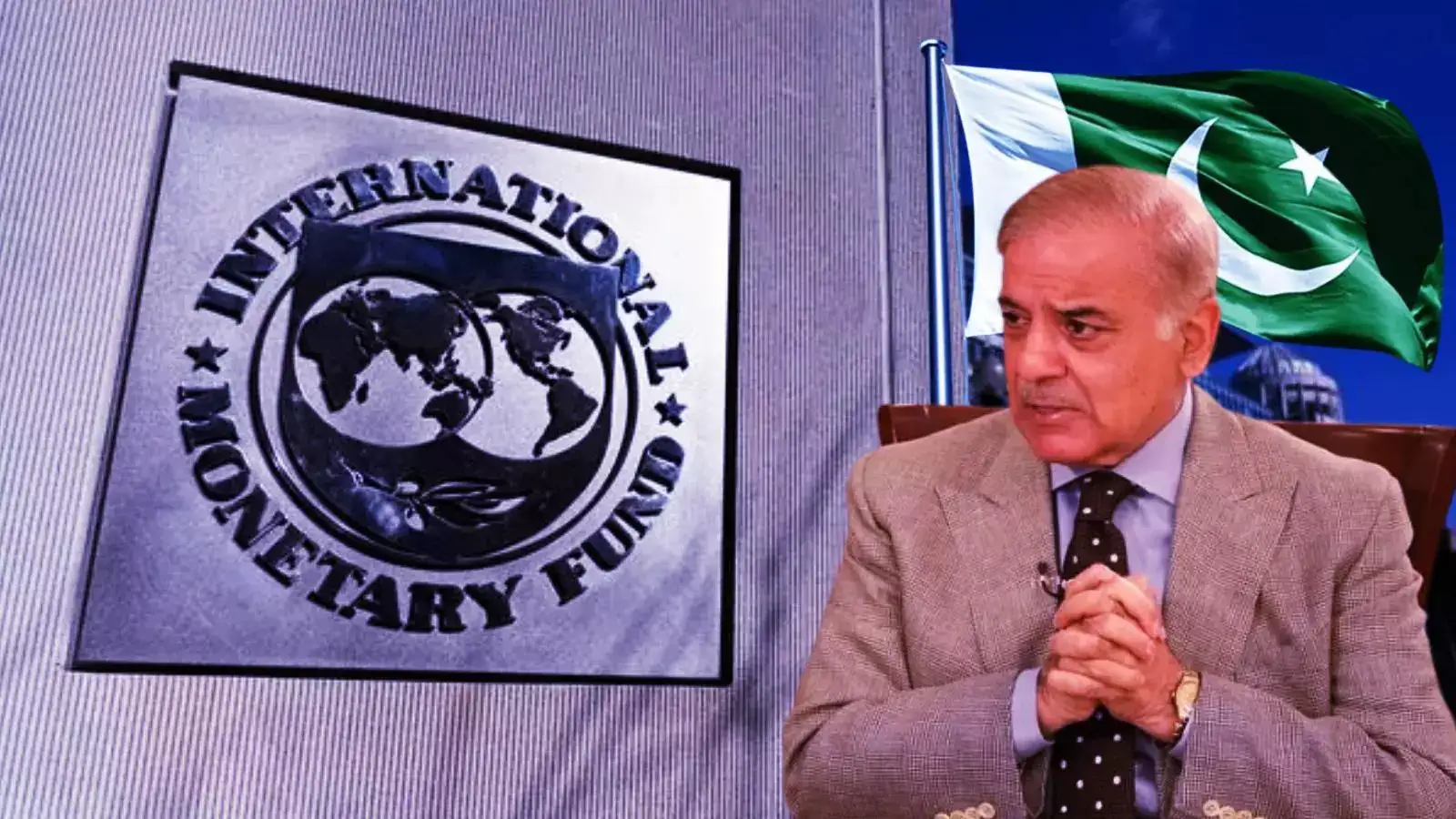
The discussions are also connected with Pakistan’s Resilience and Sustainability Facility (RSF) and an IMF Article IV consultation.
What Are the Latest IMF Talks About?
The latest IMF review is focused on Pakistan’s economic performance and the implementation of commitments under the IMF programme.
The discussions are expected to cover areas including fiscal policy, taxation, inflation, monetary policy, the exchange rate, energy-sector reforms and Pakistan’s external financing position.
The IMF mission is expected to meet officials from the Ministry of Finance, Federal Board of Revenue and other government institutions as part of the review process.
How Much Is Pakistan’s IMF Programme Worth?
Pakistan’s current IMF Extended Fund Facility is worth approximately $7 billion and was approved in September 2024 as a 37-month programme.
The programme is designed to support macroeconomic stability and economic reforms in Pakistan.
The IMF Executive Board completed Pakistan’s third EFF review in May 2026. That review allowed Pakistan to receive around $1.1 billion under the EFF, along with around $220 million under the RSF.
What Is the Fourth IMF Review?
The fourth review is the next major assessment of Pakistan’s progress under the IMF programme.
The IMF’s published programme schedule shows the fourth EFF review was scheduled for September 2026 and linked to performance through the end of June 2026.
During the review, IMF officials assess whether Pakistan has met agreed economic targets and whether the government has implemented required reforms.
If the review is successfully completed and the relevant conditions are met, it can lead to another IMF disbursement under the programme.
Why Are IMF Talks Important for Pakistan?
The IMF programme is important because Pakistan continues to require external financing while trying to strengthen its foreign-exchange reserves and maintain economic stability.
The programme also covers reforms designed to improve government finances, taxation, energy-sector performance, state-owned enterprises and other parts of the economy.
The IMF has previously said that Pakistan’s programme priorities include maintaining macroeconomic stability, rebuilding reserve buffers, broadening the tax base and improving productivity and competitiveness.
Will Pakistan Get Another IMF Loan?
The current review does not automatically mean that new funds have already been approved.
The IMF review process must be completed, and the relevant programme requirements must be assessed before any associated disbursement can be made.
Pakistan’s previous review in May 2026 resulted in disbursements of approximately $1.1 billion under the EFF and $220 million under the RSF.
Therefore, readers should distinguish between IMF talks, a staff-level agreement, and final approval and disbursement.
What Issues Could Be Discussed in the IMF Review?
Several major economic issues are expected to remain important during the latest discussions.
Inflation
Inflation remains an important issue for Pakistan because changes in energy and commodity prices can affect household expenses and the wider economy.
Tax Collection
The IMF programme includes reforms aimed at improving tax collection and broadening Pakistan’s tax base.
The Federal Board of Revenue is therefore an important part of discussions surrounding the programme.
Energy Sector
Energy-sector reforms remain another major part of Pakistan’s IMF programme.
The IMF has previously highlighted the need to improve the financial viability of Pakistan’s energy sector.
Foreign Exchange and Reserves
Pakistan also needs to strengthen its external financial position and rebuild foreign-exchange buffers.
The IMF’s May 2026 review said that rebuilding reserve buffers remained an important policy priority.
What Is the IMF Article IV Consultation?
Alongside the programme review, Pakistan is also undergoing an IMF Article IV consultation.
Article IV consultations are part of the IMF’s regular surveillance of member countries’ economic and financial conditions.
According to reporting on the current Pakistan review, this consultation is taking place after a gap of around three years, with the previous consultation held in September 2024.
The consultation allows IMF staff to assess Pakistan’s broader economic situation beyond the specific conditions attached to the lending programme.
What Happens After the IMF Review?
After discussions between Pakistan and the IMF, the two sides may reach an understanding on the programme review.
Any staff-level agreement would then be subject to the IMF’s internal approval process.
If the review is completed and approved, Pakistan could receive the associated financing under the programme, depending on the applicable conditions.
The IMF’s May 2026 decision shows how this process works: after completing the third review, the Executive Board authorised the relevant disbursements.
Pakistan IMF Talks 2026 Latest Update
As of September 28, 2026, the IMF mission is engaged in the next review of Pakistan’s economic programme.
The discussions are focused on the fourth EFF review, while Pakistan is also dealing with the broader economic issues covered by the Article IV consultation and the RSF arrangement.
The outcome of these discussions will be important for Pakistan’s ongoing IMF programme and future financing arrangements.
What Does the IMF Review Mean for Ordinary Pakistanis?
The IMF programme can have an indirect effect on ordinary people because economic reforms can influence taxation, energy prices, government spending and other economic policies.
However, the exact effect depends on the measures agreed by the Pakistani government and the IMF and how those measures are implemented.
It is therefore important to wait for official announcements before assuming that a particular tax, petrol price or electricity tariff will change as a direct result of the current review.
Pakistan IMF Talks: Key Points
Here are the main points to remember:
- Pakistan and the IMF are conducting the fourth review of the EFF programme.
- Pakistan’s EFF programme is approximately $7 billion.
- The programme was approved in September 2024.
- The current review is scheduled for September 2026.
- Pakistan is also undergoing an Article IV consultation.
- Energy reforms, taxation, inflation and external financing are important economic issues.
- The latest talks do not by themselves mean that a new IMF disbursement has already been approved.
- Any future financing will depend on the outcome and approval of the review process.
Conclusion
The latest Pakistan IMF talks 2026 are an important development for the country’s economy.
The fourth IMF review comes as Pakistan continues to implement reforms under its $7 billion Extended Fund Facility programme. Discussions cover economic policies and reforms involving areas such as taxation, inflation, energy and external financing.
Pakistan has already received substantial financing through earlier reviews of the current programme, including the disbursements approved after the third review in May 2026.
The next important development will be the outcome of the current review and any official announcement regarding a staff-level agreement, Executive Board approval or subsequent disbursement.



Comments (0)