
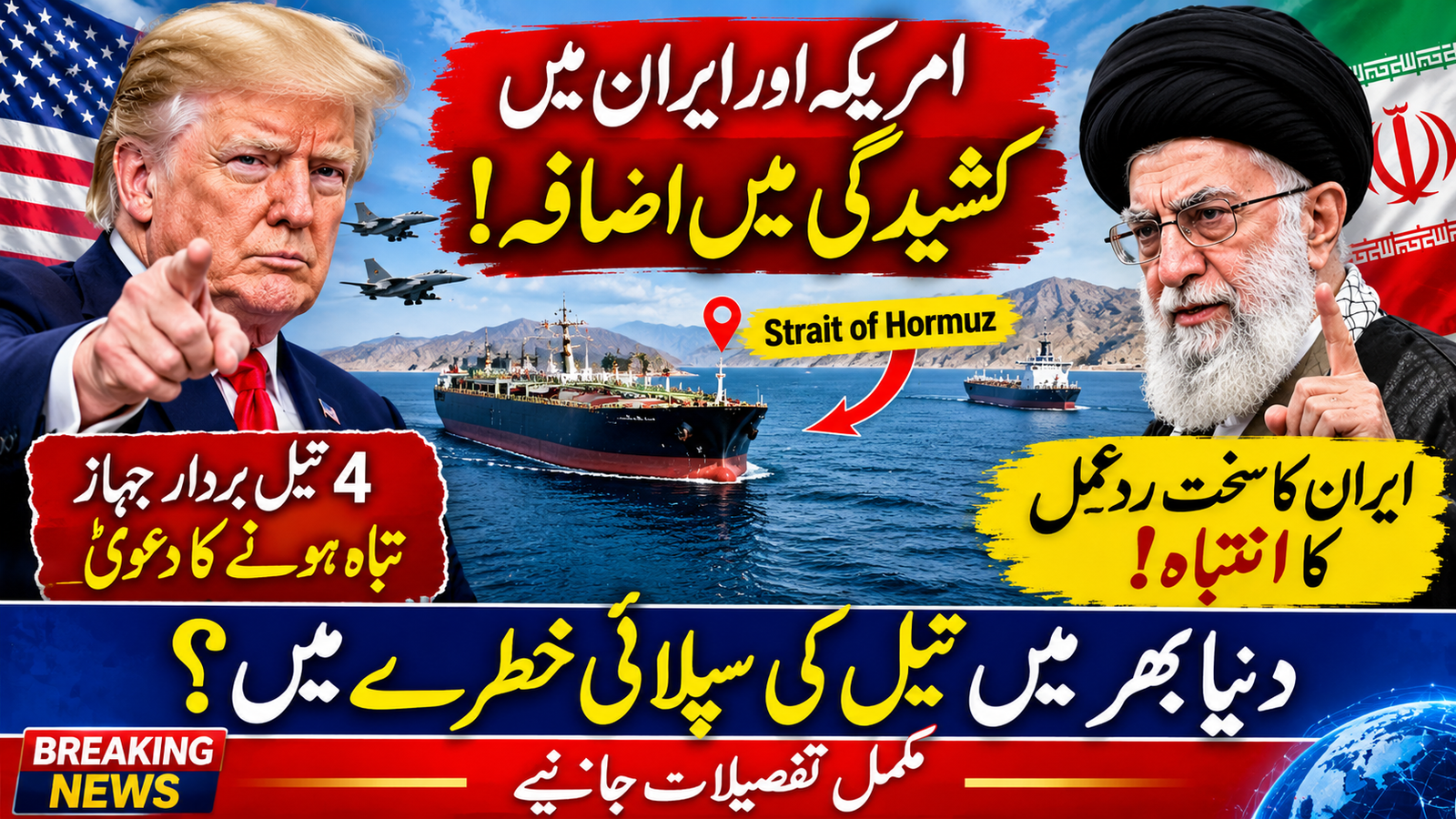
US-Iran Latest News November 2026: Tanker Attacks Raise Fears of Wider Strait of Hormuz Crisis
-
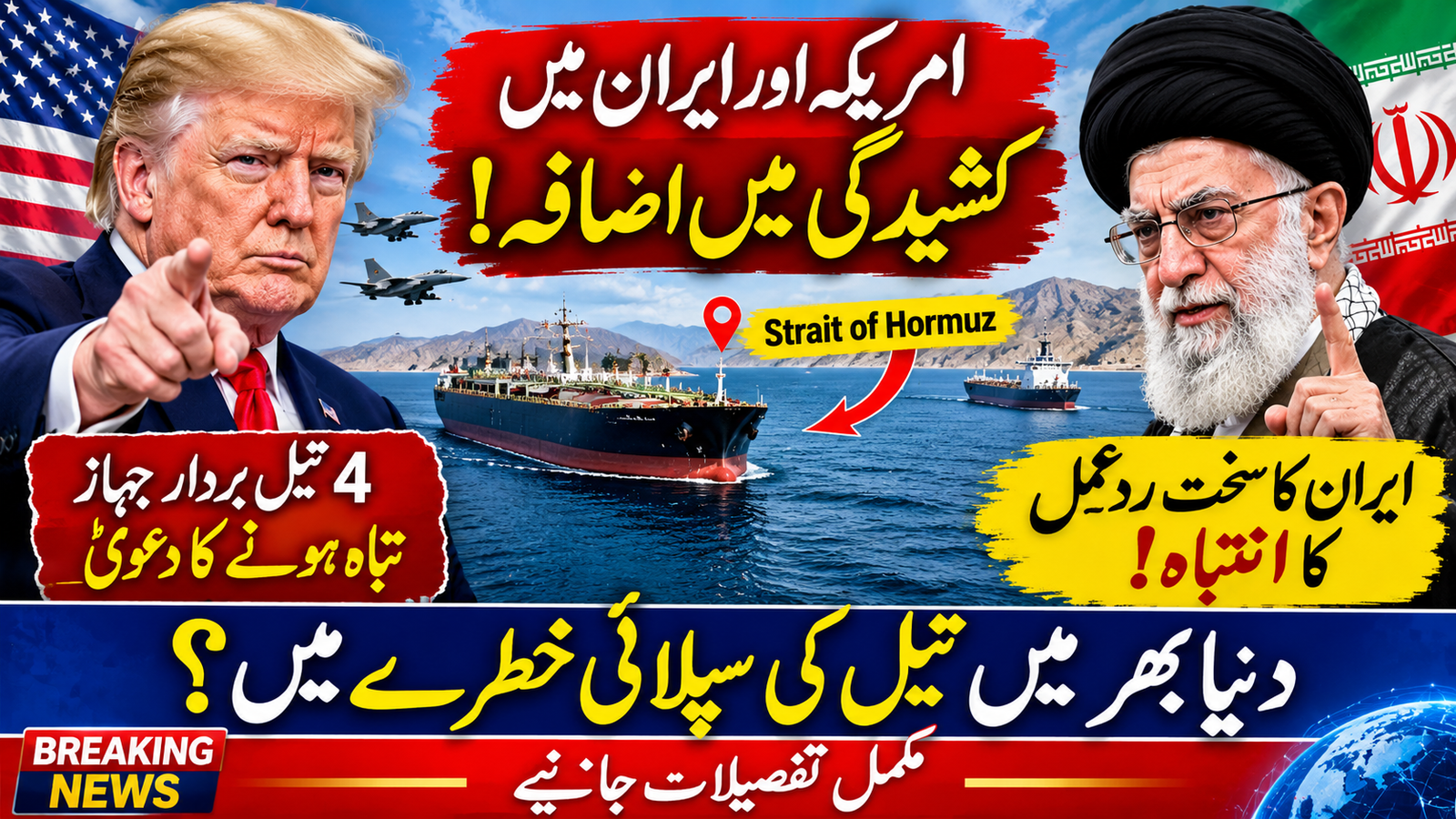
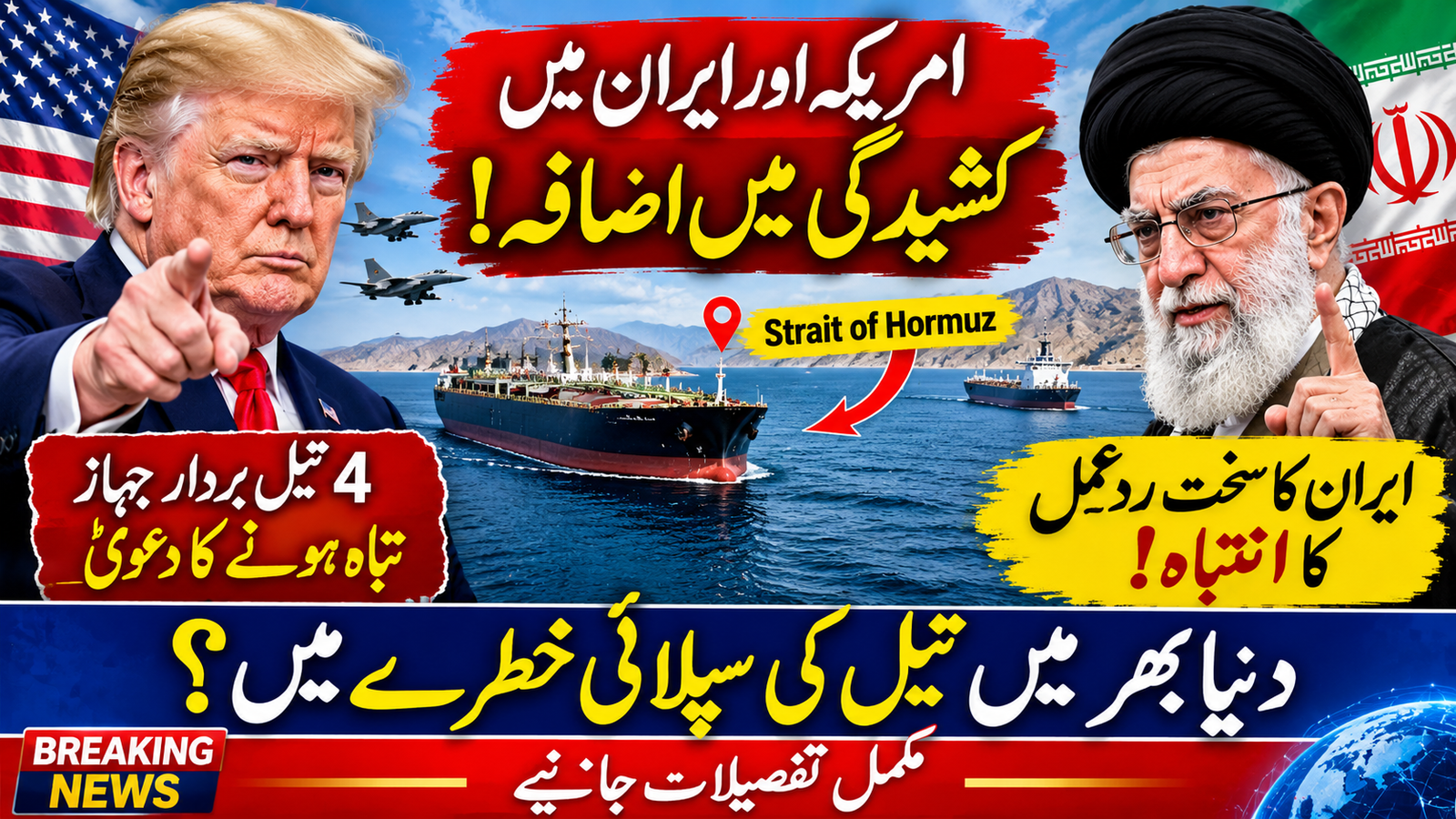
The conflict between the United States and Iran has entered another tense phase following fresh military and maritime developments in the Middle East. On November 4, 2026, Iran's Islamic Revolutionary Guard Corps (IRGC) claimed that four oil tankers had been destroyed after hitting naval mines near the Strait of Hormuz. The same statement said two other vessels had been seized.
-
The announcement has raised fresh concerns about commercial shipping, international energy supplies and the possibility of another escalation between Washington and Tehran. At the same time, Iran has warned that it is prepared to respond immediately if the United States launches another attack.
Despite the growing tensions, diplomatic contacts are continuing through regional mediators. The latest developments show that the conflict remains caught between military pressure and efforts to reach a negotiated settlement.
Iran Claims Four Oil Tankers Were Destroyed Near Strait of Hormuz
According to a Reuters report published on November 4, Iran's Revolutionary Guard said four oil tankers were destroyed after striking naval mines while attempting to cross a route it described as prohibited south of the Strait of Hormuz.
The IRGC also claimed that two additional vessels had been seized. However, the initial statement did not provide detailed information about the ships, possible casualties or the full circumstances of the reported incidents.
These claims are significant because the Strait of Hormuz is one of the world's most important maritime routes for energy transportation. Any serious disruption can affect oil shipments, shipping insurance costs and international energy markets.
Independent confirmation of the full tanker claims is important before drawing conclusions about the scale of the incident.
Iran Issues a New Warning to the United States
Iran has also issued a strong warning regarding the possibility of another American military operation.
In its November 4 live coverage, Al Jazeera reported that Tehran says a plan described as "maximum deterrence" is ready in case of a new US attack. Iranian officials have warned of an immediate response and indicated that their military planning includes US and Israeli assets across a wider geographical area.
The warning comes after American forces carried out strikes on Iranian targets around Qeshm Island near the Strait of Hormuz earlier in the week.
The situation remains sensitive because both countries have military capabilities in the region, while commercial shipping continues to face serious security risks.
Why Did the United States Strike Qeshm Island?
The Associated Press reported that US forces carried out strikes against Iranian targets on Qeshm Island shortly before the American midterm elections.
A US official said the operation targeted Iranian personnel using surface-to-air missiles against American forces in the Strait of Hormuz. Iranian state media reported explosions on Qeshm and Hengam islands and in the nearby area of Bandar Abbas.
The strikes have raised questions about whether Washington intends to increase military pressure or use limited operations while diplomatic discussions continue.
The US administration has previously indicated that it remains interested in a possible agreement with Iran. However, the latest military developments have made the situation more complicated.
US-Iran Peace Talks: Is a Deal Still Possible?
Diplomatic efforts have not completely stopped despite the military tensions.
Reuters reported on November 2 that Iranian representatives had held discussions with Qatari mediators in Doha. The talks ended without a major breakthrough, but communication between the parties continued through diplomatic channels.
Iran has been discussing a proposal that includes several important conditions:
-
Ending the US naval blockade on Iranian ports.
-
Reopening the Strait of Hormuz.
-
Easing restrictions on Iranian oil sales.
-
Cancelling or lifting certain sanctions.
-
Moving towards further discussions on wider political and security issues.
Iran has also maintained that discussions about its nuclear programme can only resume after its conditions are addressed and verified.
The United States has not publicly confirmed agreement to all these demands. This remains one of the main obstacles to a final settlement.
Why the Strait of Hormuz Matters to the World
The Strait of Hormuz connects the Persian Gulf with the Gulf of Oman and the wider Arabian Sea. It is a major route for oil and gas shipments from Gulf energy-producing countries.
A prolonged disruption could affect international energy supplies and increase transportation costs. Countries that depend on imported oil and gas may face higher costs if shipping becomes more difficult or dangerous.
For Pakistan, developments in the Strait of Hormuz are particularly important because international energy prices can influence the country's petroleum import bill, transport expenses and inflation.
However, a military incident does not automatically mean that petrol prices will increase immediately. The actual impact depends on international oil prices, shipping conditions, exchange rates and government pricing decisions.
What Could Happen Next?
The next phase will depend on decisions made by Washington and Tehran and the effectiveness of diplomatic efforts led by regional mediators.
There are two major possibilities. The first is that both sides continue negotiations and eventually agree on steps to reduce military tensions and restore safer shipping through the Strait of Hormuz.
The second possibility is further escalation if military incidents continue or either side rejects diplomatic conditions. More attacks or restrictions on shipping could create additional pressure on regional security and global energy markets.
At this stage, neither outcome can be predicted with certainty.
Impact on Pakistan and Global Oil Markets
Pakistan and other energy-importing countries are closely affected by instability in the Gulf region. If shipping routes become more dangerous, oil transportation and insurance costs may increase.
Higher international energy costs can place additional pressure on Pakistan's foreign exchange reserves and import expenditure. They can also affect transportation, electricity generation and the prices of goods.
For ordinary Pakistani consumers, the most important issue is whether the international oil market experiences a sustained increase. A short-lived incident and a prolonged disruption would have very different economic consequences.
Conclusion
The latest US-Iran developments on November 4, 2026, have increased uncertainty around the Strait of Hormuz. Iran's Revolutionary Guard has claimed that four tankers were destroyed and two vessels seized, while Tehran has warned of an immediate response to another US attack.
At the same time, diplomatic contacts are continuing, although a final agreement remains uncertain.
The Strait of Hormuz will remain a key focus for governments, energy markets and international shipping companies. The coming days may be important in determining whether the region moves towards diplomacy or faces another period of military escalation.
Editorial note: This article distinguishes reported events from claims made by the parties involved. The tanker destruction and seizure figures are attributed to Iran's Revolutionary Guard and should not be treated as independently verified facts.
Sources for further reading:
-
Reuters — Iran's IRGC says four tankers ablaze after hitting mines near Strait of Hormuz.
-
Associated Press — US strikes in the Strait of Hormuz create more questions about what's ahead.
-
Al Jazeera — Iran war live updates, November 4, 2026.
-
Reuters — Iran says contacts over ending war continue after talks finish with no breakthrough.
-

Comments (0)